The CarboNium project seeks to better assess the role of aquatic ecosystems in the global carbon balance, in order to constrain greenhouse gas emissions from continental surfaces. Several rivers are being studied, including the Roche Noire torrent in the mountains near the Lautaret garden.
Researchers Julien Némery from the Institute of Environmental Geosciences (IGE) and Laure Gandois from the Center for Research on Biodiversity and the Environment (CRBE) are co-leading the CarboNium project as part of the FairCarbon priority research program and equipment initiative.
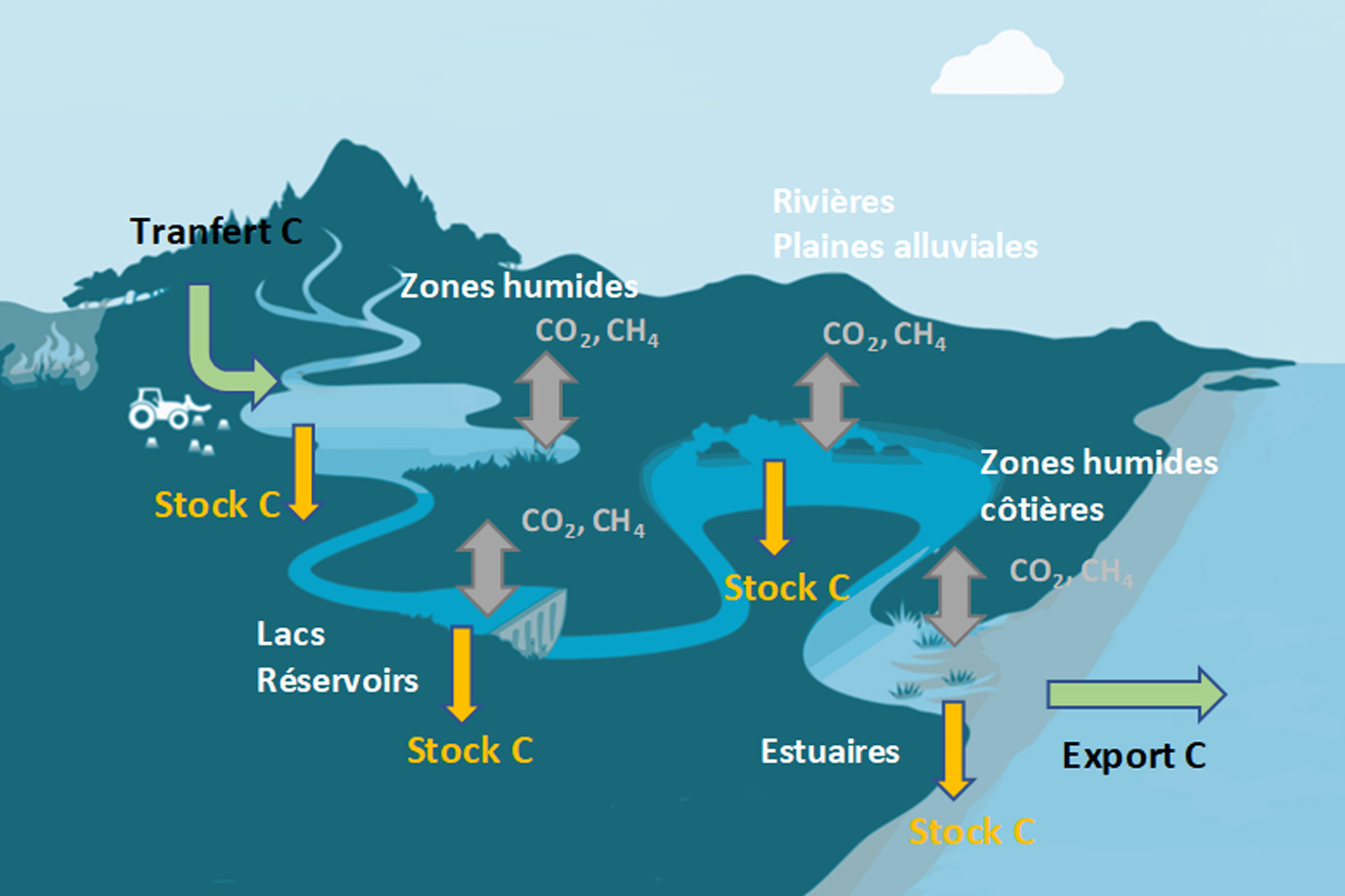
The research in this program aims to advance knowledge about carbon dynamics in the terrestrial-aquatic continuum. Carbon circulates between terrestrial environments (soils, vegetation) and aquatic environments (rivers, lakes, wetlands, coastal areas), forming a connected system. Carbon is sometimes transported, sometimes stored, and sometimes metabolized and emitted into the atmosphere as greenhouse gases (CO2 and CH4).
Twenty-four French research laboratories are involved in the project, including the IGE and the Environment, Dynamics and Mountain Territories Laboratory (Edytem), which are collaborating with The jardin du Lautaret the Roche Noire valley, near the garden. Since last July, and for another two years, we have been taking water samples every two weeks from the Roche Noire torrent. Twelve other rivers from the national research infrastructure Observatoire de la zone critique applications et recherche (OZCAR) and Network of Workshop Areas (RZA) are subject to the same protocol.
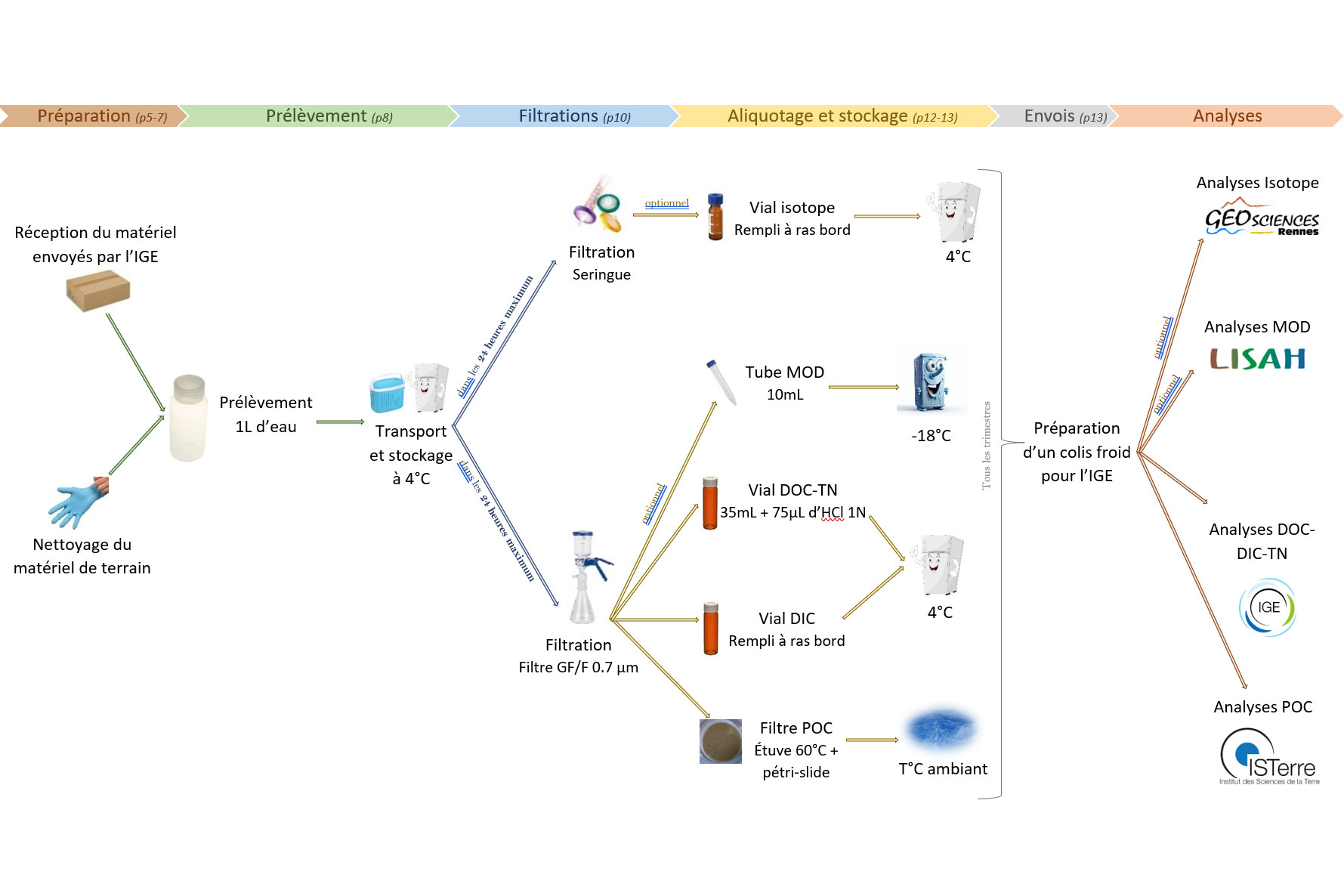
Water samples are collected, filtered, prepared, stored, and sent for analysis at the AirOsol analytics platform of the IGE and the geochemistry platform from the Institute of Earth Sciences (ISTerre). The results will be used to estimate carbon fluxes emitted by mountain watersheds and compared with fluxes from agricultural and urban watersheds in tropical and temperate zones.
Share the linkCopyCopiedClose modal windowShare this page's URLI recommend this page:Available at this address:The page will then be accessible from your "My Favorites" menu.Stop the videoPlay the videoMutePlay soundChat: Any questions?Chatbot Robo FabricaMatomo traffic statisticsX (formerly Twitter)

 Discovery and science