
History of the Garden

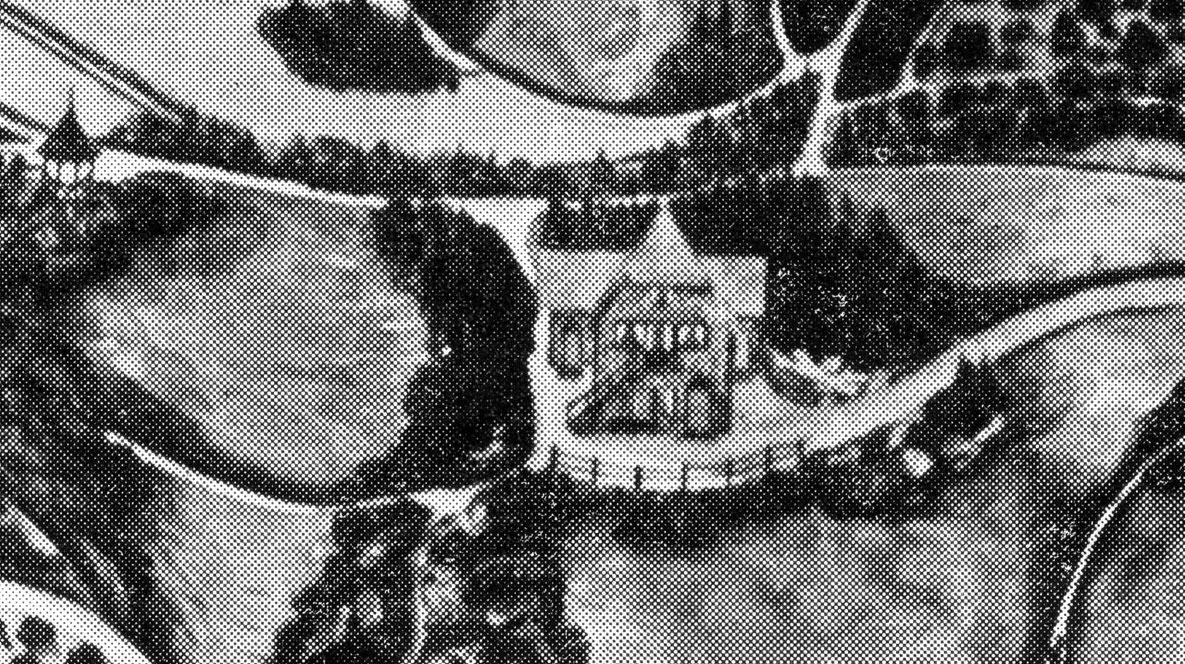
Composition taken from a painted poster by botanist Paul Rochette
 
The jardin du Lautaret created in 1899 by Jean-Paul Lachmann and was not yet located at its current site. Here is the story of a garden that has constantly reinvented itself over time...
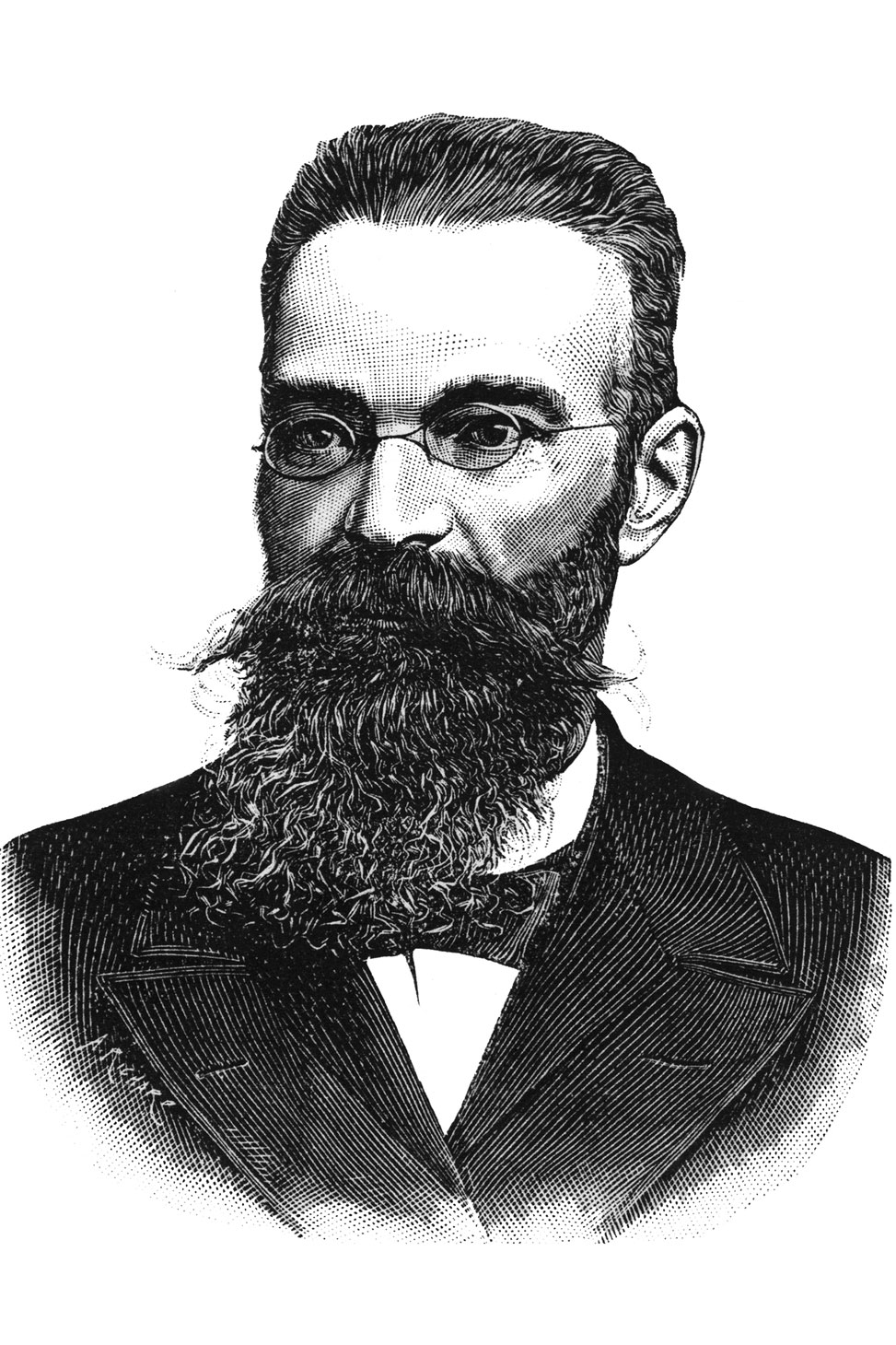
Portrait of J.P. Lachmann, founder of the Lautaret Garden
Jean-Paul Lachmann (1851–1907)
The end of the 19th centurye The 19th century saw dozens of botanical gardens spring up across Europe in the Alps. Jean-Paul Lachmann, professor of botany at the University of Grenoble, considers alpine gardens to be natural laboratories that enable:
  • the study and protection of alpine flora;
  • to test the acclimatization possibilities of vegetable and fodder plants for mountain populations;
  • to educate the public about the richness of this flora and its conservation.
In 1894, Jean-Paul Lachmann created the first alpine garden in Chamrousse, but it was abandoned in 1905. As the ski resort did not yet exist, there were no roads leading to it and access was too difficult.
 
In 1899, Jean-Paul Lachmann created two other gardens in the Hautes-Alpes. Why so far from Grenoble? Because it is a geological crossroads, a bioclimatic crossroads with abundant biodiversity. A garden in Villar-d'Arène was intended to temporarily house exotic alpine plants that could not initially tolerate the climate of the other garden at the Lautaret Pass. The Villar garden was also used to study the acclimatization and improvement of vegetable, fodder, and cereal plants. Due to a lack of funding, maintenance, and supervision, this garden was abandoned around 1910. The jardin du Lautaret, meanwhile, was located at the current junction of the Col du Lautaret and the Route du Galibier.
 
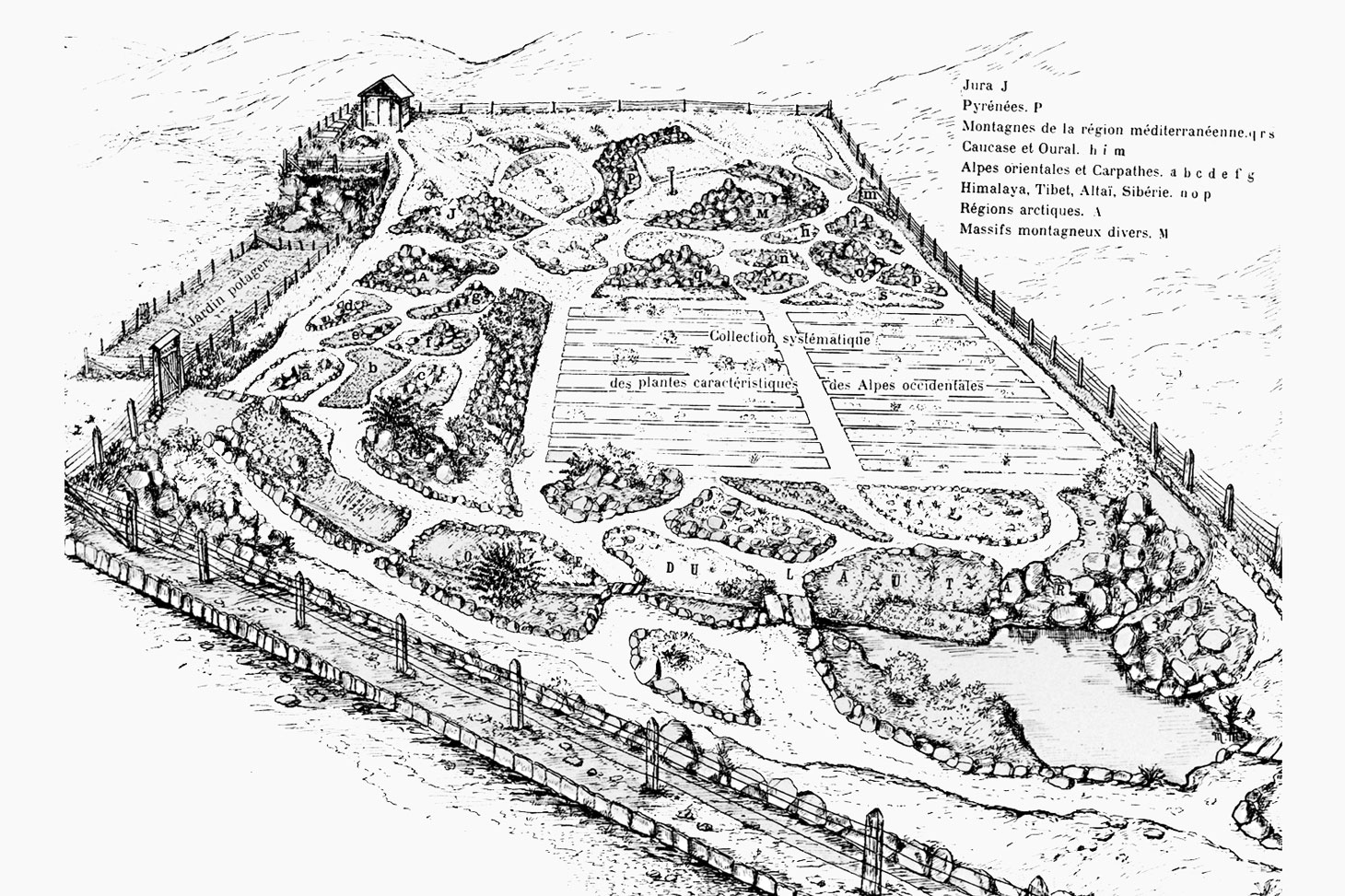
Map of the first garden at Lautaret Map of the first garden at Lautaret
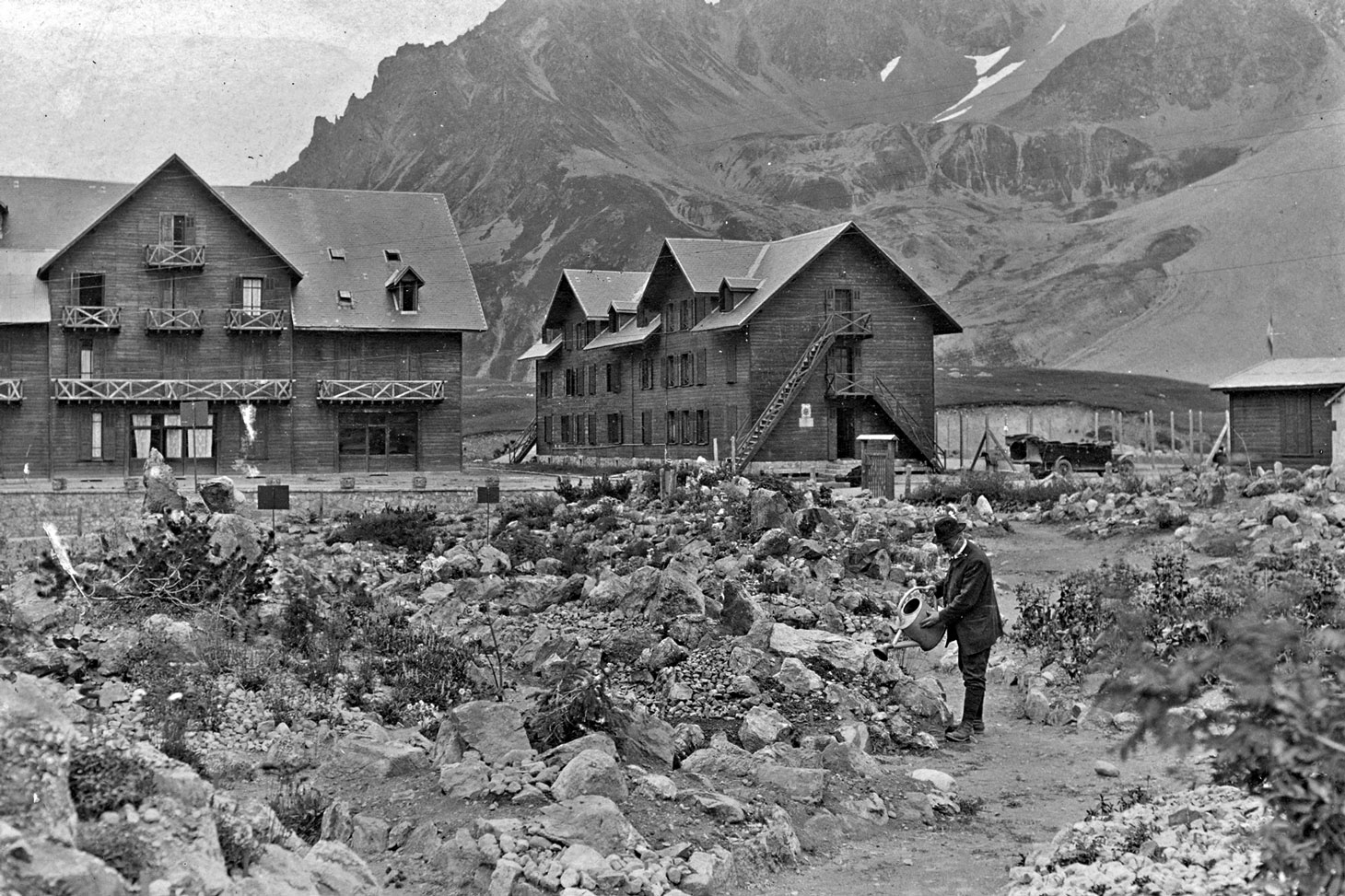
When it was created in 1899, The jardin du Lautaret a collection of 500 species from the Western Alps, carefully labeled and arranged in parallel flowerbeds. Rock gardens in the upper part of the garden showcase species from the Pyrenees, the Caucasus, and the Himalayas. The garden also has a natural marsh (bottom right on the map). Seed exchanges with other countries began.

The jardin du Lautaret 1910
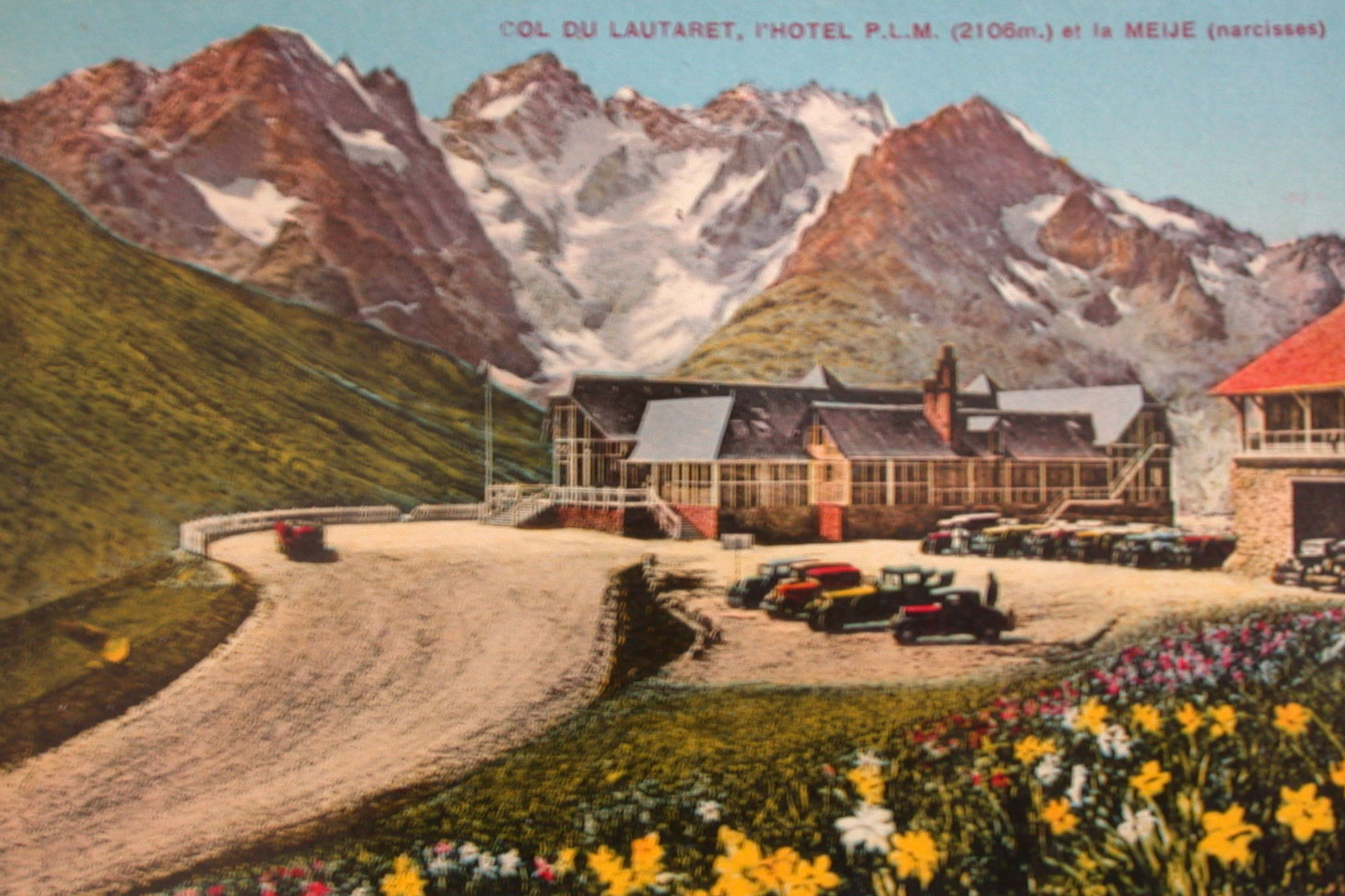
The Garden with the Bonnabel chalets of the Glacier Hotel in the background
The pass is undergoing rapid development as a tourist destination thanks to the Paris-Lyon-Mediterranean Railway Company (PLM), the Grenoble and Dauphiné Tourist Office (SIGD), and Alexandre Bonnabel, a civil engineer who became a hotel entrepreneur. The jardin du Lautaret very popular with tourists. After Jean-Paul Lachmann's death in 1907, Marcel Mirande took over as professor of botany in Grenoble and head of the Lautaret Garden.
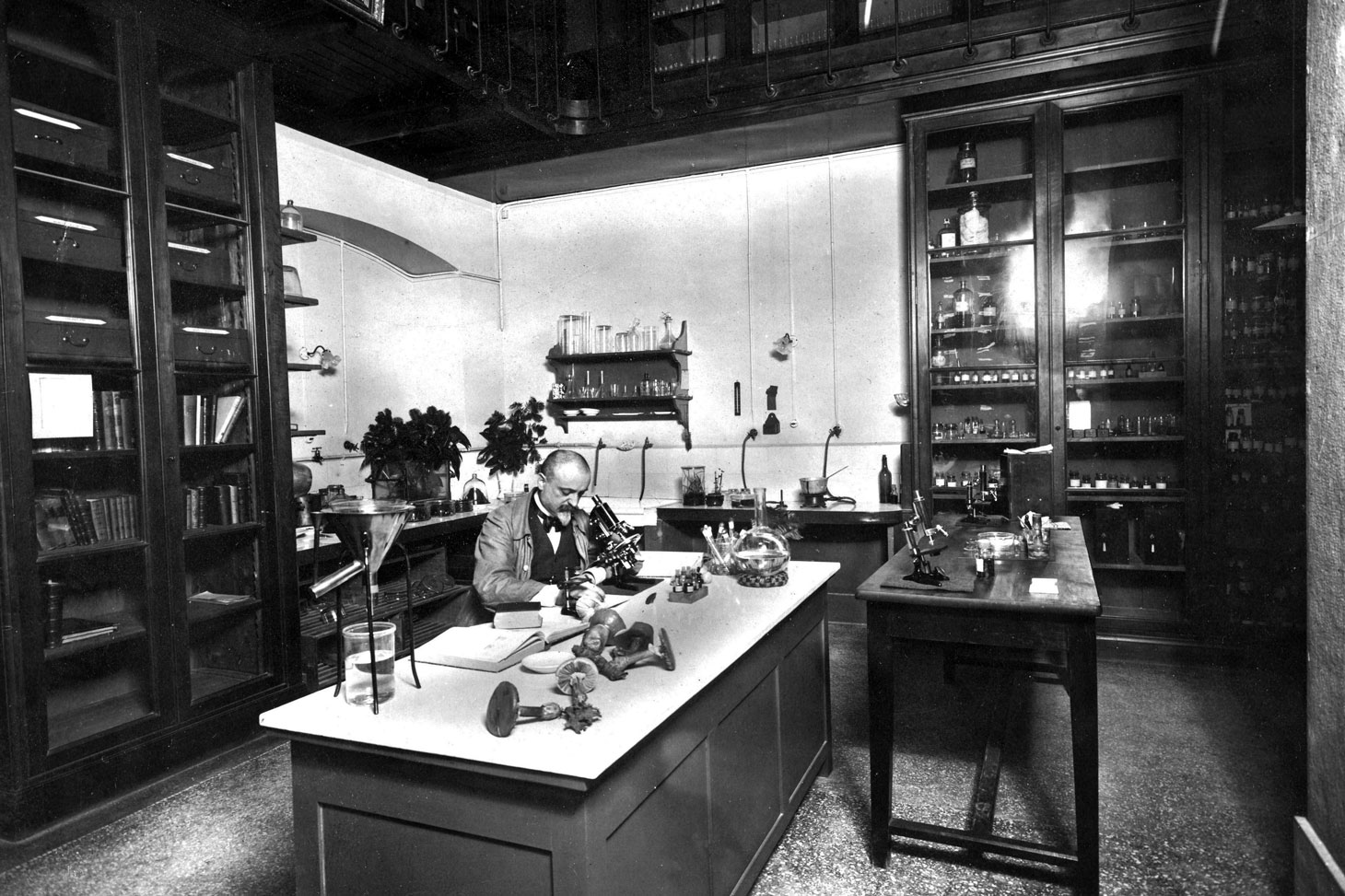
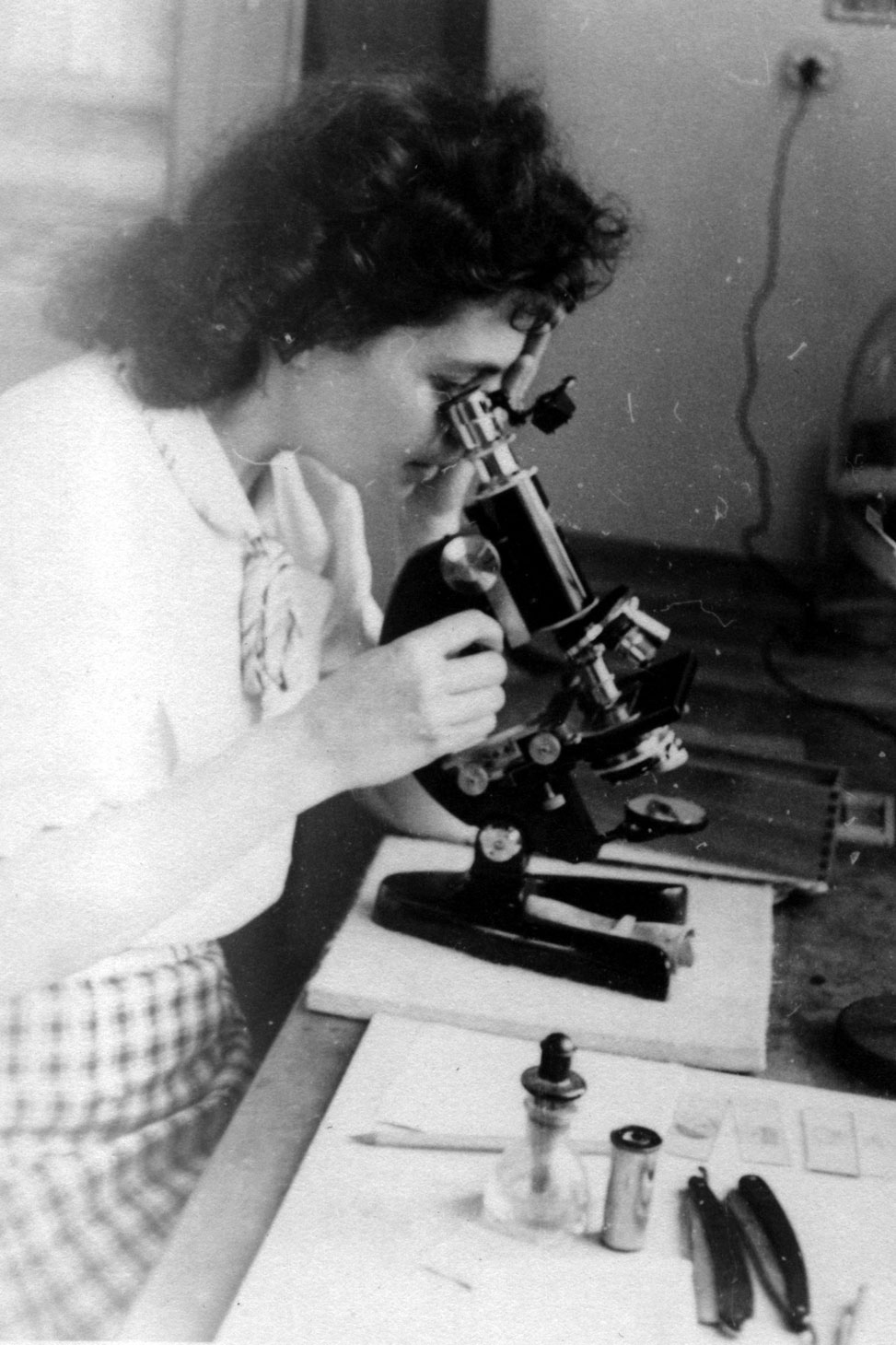
Marcel Mirande in his laboratory on Place de Verdun in Grenoble Marcel Mirande (1864-1930) - In his laboratory at the University building, Place de Verdun, Grenoble

Marcel Mirande took over The jardin du Lautaret 1908 and developed its facilities. By 1910, the garden already had 2,000 species of mountain flora from around the world, almost as many as it has today. The Lautaret laboratory was set up in a room in the Chalet-Hôtel des Glaciers, located opposite the garden. It contained books, maps of the region, a magnificent herbarium of 1,200 plants from the Western Alps, a microscope, a mounted magnifying glass, reagents, and various accessories for preparing plants.
After World War I, the garden had to be destroyed to make way for the construction of the new road to the Col du Galibier. The University did not have the means to move the Garden and its unique collections.
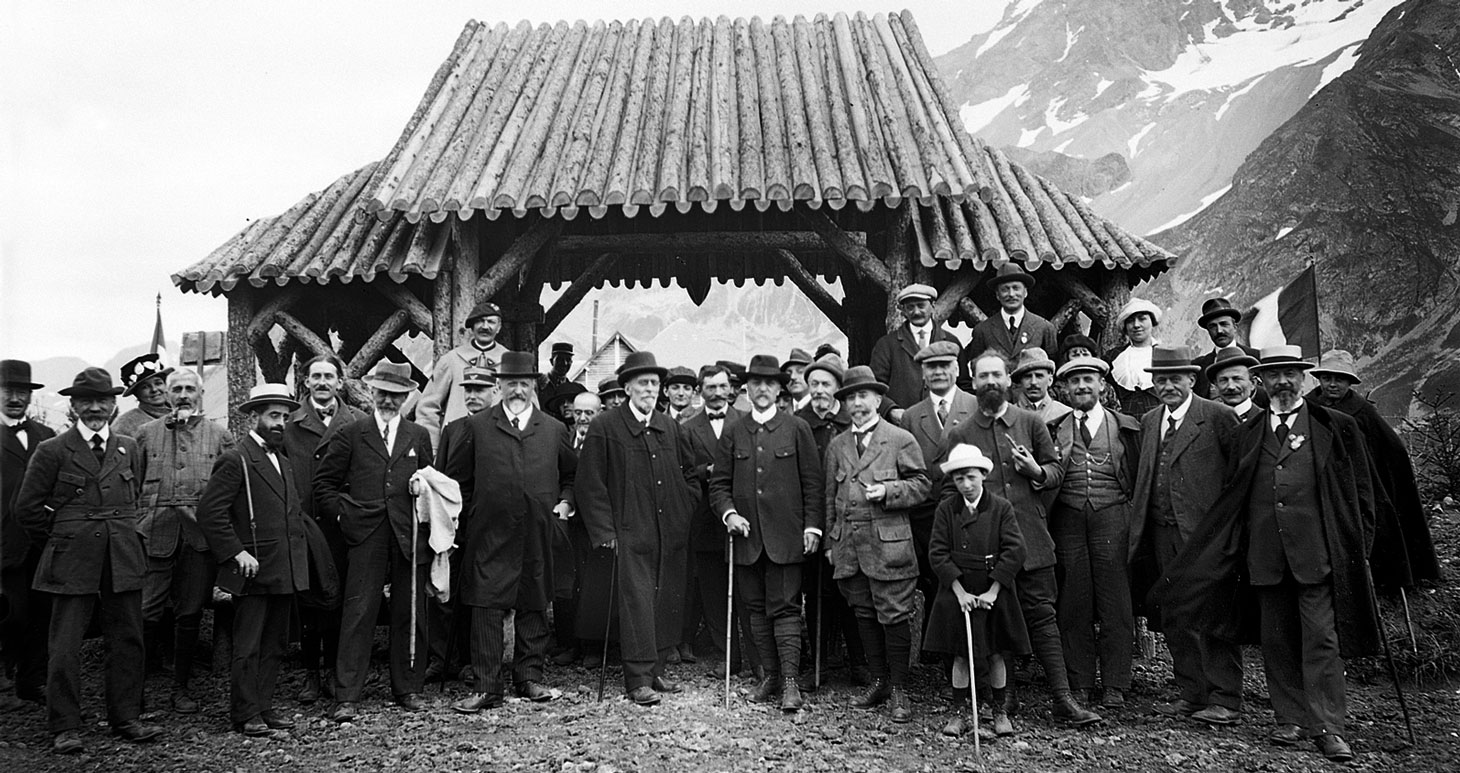
Inauguration of the second Lautaret garden on August 5, 1919
At the inauguration of the new garden on August 5, 1919. In the center, on the left, Henry Defer, vice president of the Touring Club de France, and on his right, Marcel Mirande.

Fortunately, the Touring Club de France, the PLM company, Prince Roland Bonaparte, the National Horticultural Society, and the National Tourist Office, recognizing the exceptional nature of the Lautaret garden, are financing its relocation about fifty meters higher up, at the foot of the PLM Hotel. The story can continue...
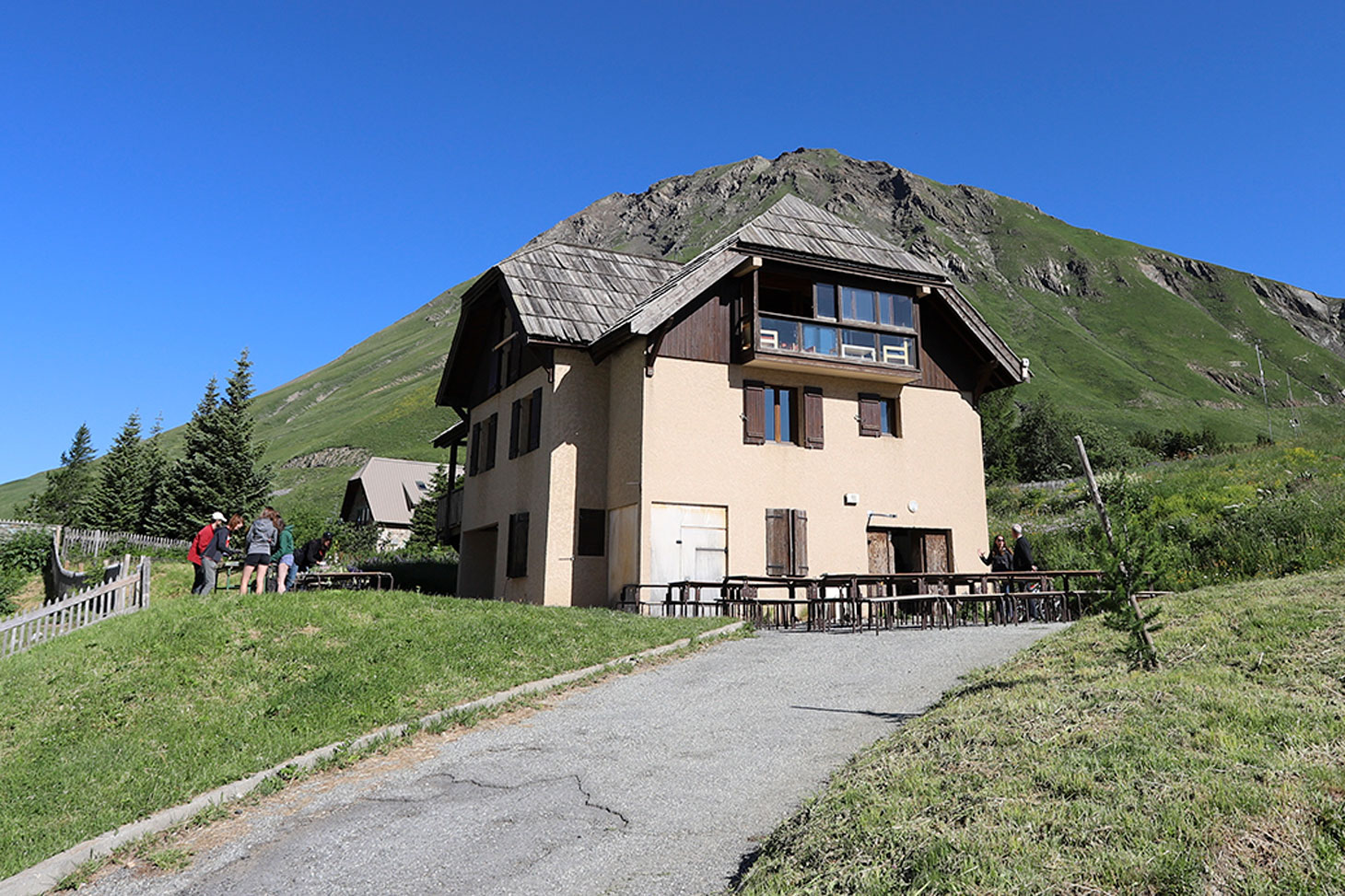
A cottage in the heart of the GardenThe chalet built in the Garden will enable the site to flourish. At the time, it housed accommodation for gardeners, a small laboratory where researchers studied biodiversity and mapped vegetation, a mineralogical museum, and an ethnographic museum created by Hippolyte Müller, founder of the Musée Dauphinois in Grenoble. In 1934, the Ministry of National Education classified the Garden as a natural monument and a site of artistic, historical, scientific, legendary, or picturesque interest (Decree of October 4, 1934). The Lautaret Garden's reputation as a tourist and scientific attraction continued to grow until World War II.
 
Marcel Mirande died in 1930 and was replaced until 1954 by Professor René Verriet de Litardière (1888-1957). In 1932, Verriet recruited Auguste Prével as head gardener and trained him in botany. Prével managed the entire garden, which Verriet rarely visited. In 1944, German troops retreated and set fire to the PLM Hotel. The Garden's chalet was ransacked but spared. Auguste Prével was taken hostage along with the other adult men of Lautaret and was killed in an explosion at the exit of the last tunnel before the Chambon dam. The Garden was then abandoned, leaving the chalet at the mercy of looters.

The PLM Hotel before the fire of 1944
 The hotel of the Paris-Lyon-Mediterranean Company, before it was destroyed by the Germans in 1944
Lucie Koffler and the rescue of the Garden after World War II
Lucie Kofler (1910–2004)
In 1947, upon her arrival at the University of Grenoble as René de Litardière's assistant, Lucie Kofler, a researcher and professor of plant biology and physiology, took a keen interest in the Lautaret garden. She saw it as a formidable scientific and educational tool.
She became head of the Lautaret garden and, in 1950, recruited Robert Ruffier-Lanche, a hotelier from Pralognan-la-Vanoise, a self-taught botany enthusiast, member of the Botanical Society of France, and gardener of a small alpine garden at the foot of his hotel. His arrival at the University of Grenoble gave him the opportunity to fully pursue his passion by becoming head gardener at the Lautaret Garden. The University renovated the garden chalet to accommodate his new team. Lucie Kofler and Robert Ruffier-Lanche devoted all their energy to reviving the Garden and rebuilding its collections.
Lucie Kofler brought back plants she encountered during her scientific expeditions to enrich the Garden's collections. In 1955, Paul Ozenda succeeded René de Litardière. And just like his predecessor, he relied on Lucie Kofler and Robert Ruffier-Lanche to take care of the Lautaret garden. At the end of her career in 1972, she was one of the first scientists to study the impact of factory smoke using lichens as indicators of air pollution.
 
Robert Ruffié-Lanche, Head of Cultivation at the Lautaret Garden
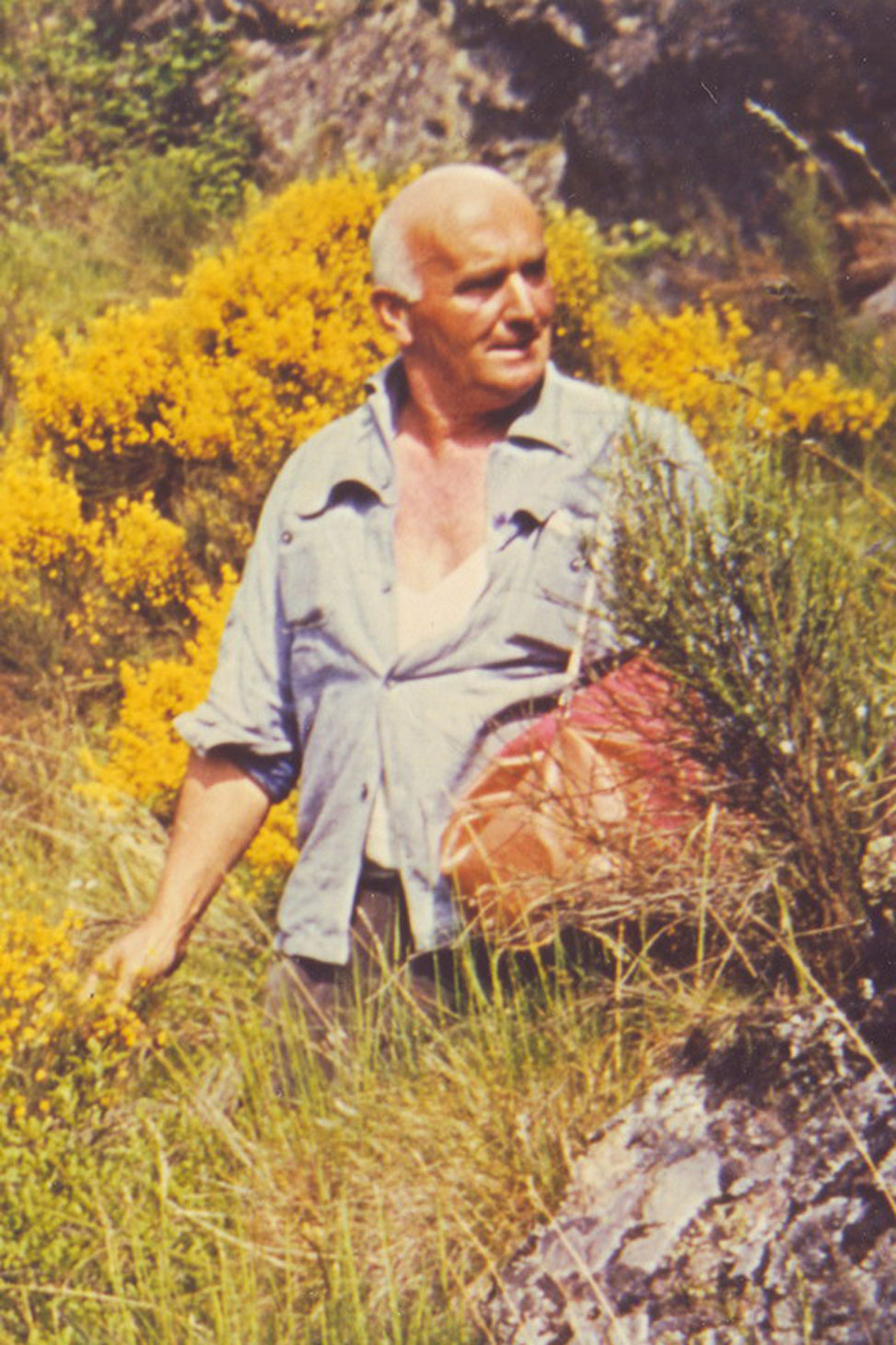
Robert Ruffier-Lanche (1912–1973)
When Robert Ruffier-Lanche arrived in 1950, only 150 to 200 species remained of the 3,000 that had been in the garden in the 1930s. Thanks to the seeds he collected in and around the garden, as well as seed exchanges between gardeners, the number of species reached 3,000 again in 1953. In 1967, his index seminum was sent to nearly 450 gardens, institutions, and individuals passionate about alpine plants. By the mid-1960s, there were nearly 6,000 species, varieties, and forms introduced to the Lautaret garden. However, many of them did not survive for long, due to climatic conditions or a lack of time to maintain them.
Robert Ruffier-Lanche left us thousands of carefully preserved records listing the origin of the seeds, the year of sowing, the planting location, the flowering dates, and the evolution year after year for each species. He promoted the Lautaret garden by participating in several international alpine horticulture conferences and organized on site botany courses. He created a herbarium of plants growing at Lautaret and wrote around thirty articles on The jardin du Lautaret botany. His daughter Véronique, then aged 20, died in a tragic accident in 1969 at the Jardin chalet. After that, Robert Ruffier-Lanche was never the same again and committed suicide in 1973.

In 1967, he wrote that he regretted not having the opportunity to train his successor:

What seems more serious to me is that I have obviously been unable to train a gardener who could take over from me without too much difficulty; I believe that arriving suddenly in a garden where more than 6,000 species of plants grow, most of whose labels are gathered in bundles in a warehouse, even a highly qualified gardener would only really be up to speed after three or four seasons; During this time, practically all species that are difficult to cultivate, and therefore rare or very rare in cultivation for that very reason, will have had ample time to disappear. And almost everything will have to be started over again. 

Robert Ruffier-Lanche's position was not renewed by the University, and all the goodwill of the members of the Grenoble branch of the Society of Alpine Garden Enthusiasts (SAJA) and Lucien Maquet, a sales representative with a passion for alpine flora and alpine gardens, who helped maintain the garden with Robert Ruffier-Lanche, will not be enough to prevent a further decline of the Lautaret garden, which lasted until the early 1980s.
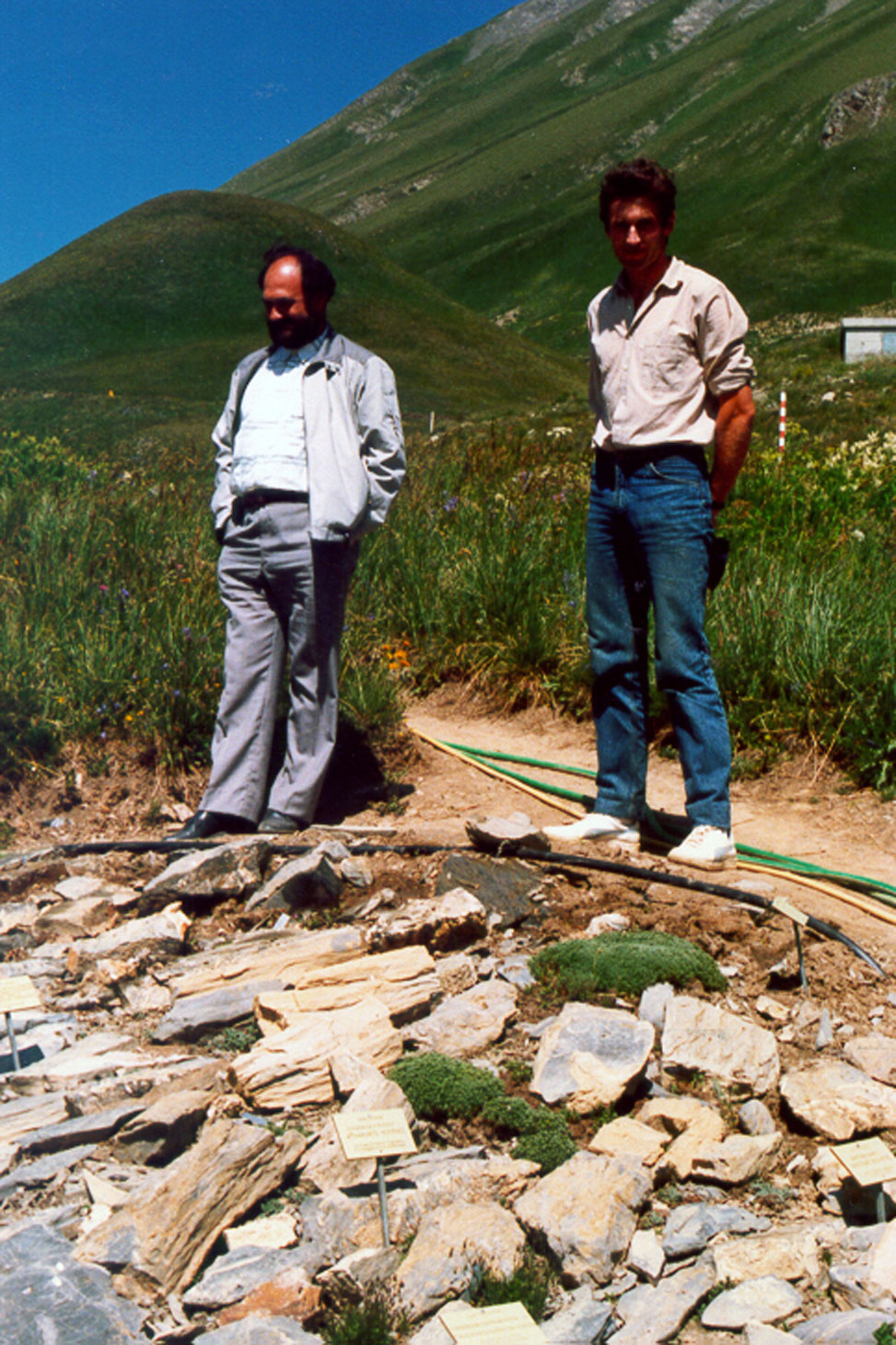
Gérard Cadel and José Lestani in the Lautaret garden
Gérard Cadel (1934-2021) on the left and his cultivation manager, José Lestani
Gérard Cadel, a lecturer who frequented The jardin du Lautaret Robert Ruffier-Lanche's time, decided to take over the garden and became its director in 1981. He recruited José Lestani as head of cultivation. In 1984, he founded the Association des Amis du Jardin Alpin (AJAL), to which the University delegated the financial management of the Garden. Enormous efforts were made to obtain subsidies and promote the Garden. By the following summer, 25,000 visitors had been recorded. Free guided tours were organized, led by teachers and researchers from the Alpine Biology Laboratory, researchers from the Plant Cell Physiology Laboratory, teachers from the Briançon high school, and members of the SAJA. In the years that followed, numerous maintenance and development works were undertaken on the site: irrigation systems, creation of a driveway to access the chalet, repair of the kiosk that had collapsed in 1965, installation of a wooden fence, creation of a reception/shop building, installation of toilets for visitors, and creation of a second chalet.
The second cottage built in 1889 The second chalet in the Lautaret garden was inaugurated in 1989.
Richard Bligny
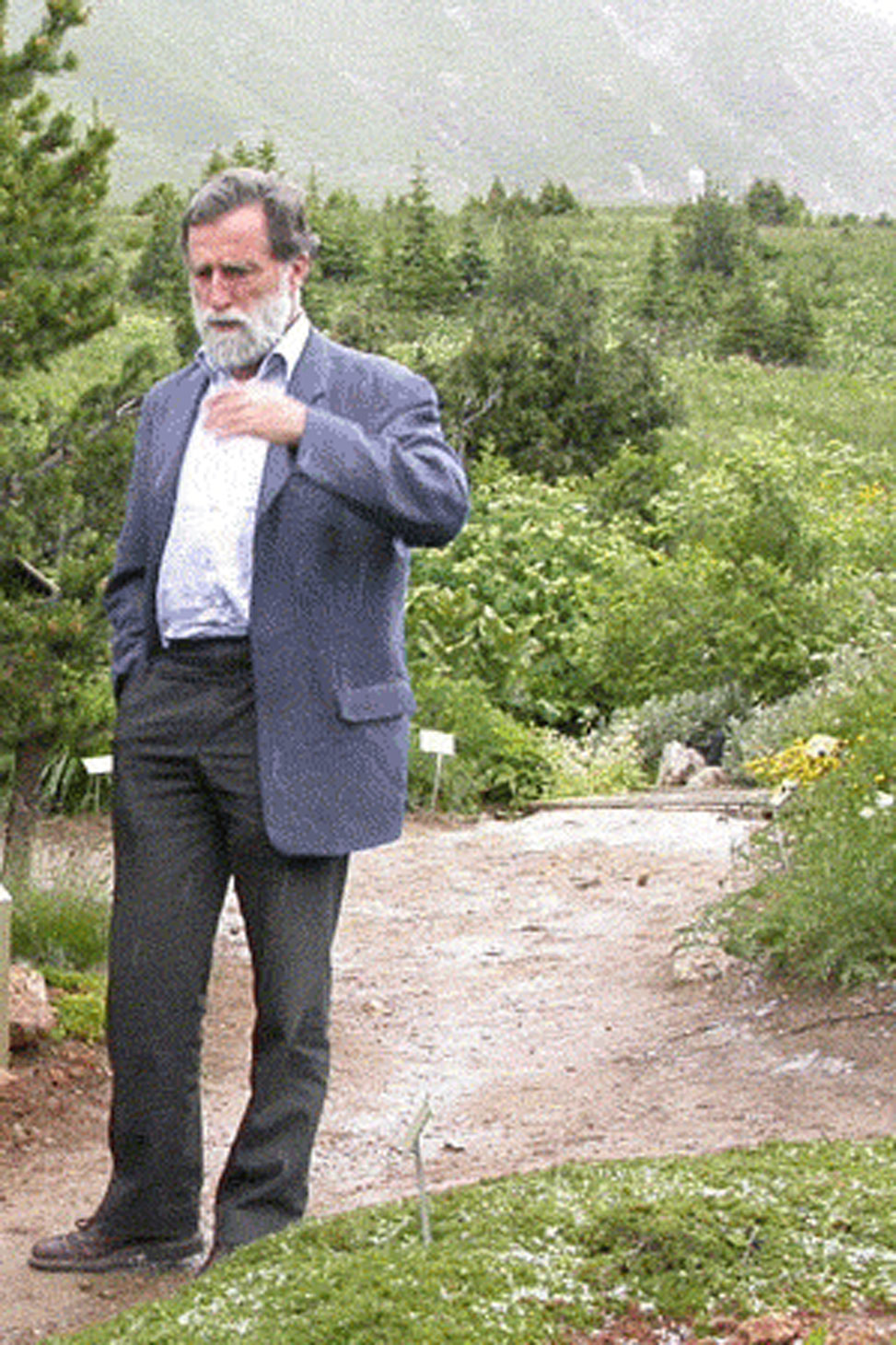
Richard Bligny, director of the Lautaret garden from 2002 to 2005
Under the leadership of Richard Bligny, a researcher at the CEA-Grenoble Cellular and Plant Physiology Laboratory, and Roland Douce, the laboratory's director, a new building was constructed to facilitate the work and accommodate scientists. The chalet is equipped with instruments that enable research on alpine plants and ecosystems. Conferences on the biology, physiology, and ecology of alpine plants were organized on site to promote Lautaret as a center for scientific research. In 1998, the garden was awarded the Conservatory of Specialized Plant Collections (CCVS) label. Tensions grew between the association that managed the garden and the university's research activities. In 1999, when Gérard Cadel retired, the situation was turbulent and the new management of the Lautaret garden was disputed between José Lestani and Richard Bligny. It was not until 2002 that the situation calmed down. The University of Grenoble took over the management of the entire garden and Richard Bligny became its director.
Serge Aubert
Serge Aubert (1966–2015)
Richard Bligny handed over management to Serge Aubert in 2005. Aubert, a lecturer in plant physiology at the University of Grenoble, knows The jardin du Lautaret very well The jardin du Lautaret has been working on its development for several years. It is thanks to him that the CNRS became co-guardian of the garden alongside the University of Grenoble and that the Ministry of Culture and Communication awarded it the "Remarkable Garden" label. In 2007, The jardin du Lautaret the Grand Prix de la Fondation Prince Louis de Polignac. This prize was awarded on the recommendation of the Académie des Sciences for the Jardin du Lautaret's contribution to research in alpine biology. The site took on a new lease of life on both fronts, tourism and science.
The jardin du Lautaret numerous links with other botanical gardens and with scientific research infrastructures and federations. It has become an essential hub for the dissemination of knowledge in the life and earth sciences. New facilities are being created: a new nursery to provide better conditions for seedlings from the Grenoble greenhouses and to preserve a duplicate of rare species in case of loss; an experimental area for conducting research under semi-controlled conditions; a tuff wall for plants from limestone or siliceous rocks, which are often difficult to grow; three raised beds for plants that are difficult to grow and require good drainage, special watering, and winter protection. Artists are welcomed in residence, illustrated notebooks of Lautaret are published, new signage is installed, and a path accessible to people with reduced mobility is laid out.

Plans are underway to construct a new building. It will house the Garden's reception area and gift shop, a museum space, a seminar and conference area, and a scientific laboratory. Serge Aubert died suddenly in 2015. He will not have the opportunity to see this formidable research and mediation tool come to fruition, which will enable the current team, under the direction of Jean-Gabriel Valay, to continue the various missions of the Lautaret Garden with renewed vigor.

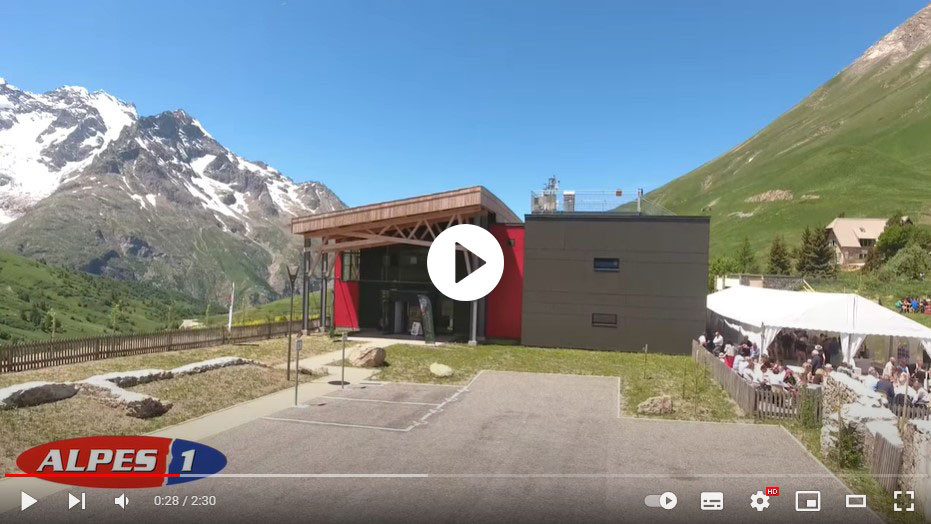
Alpe 1 report at the inauguration of the new Lautaret Garden building
Published on February 14, 2022
Updated on February 24, 2023