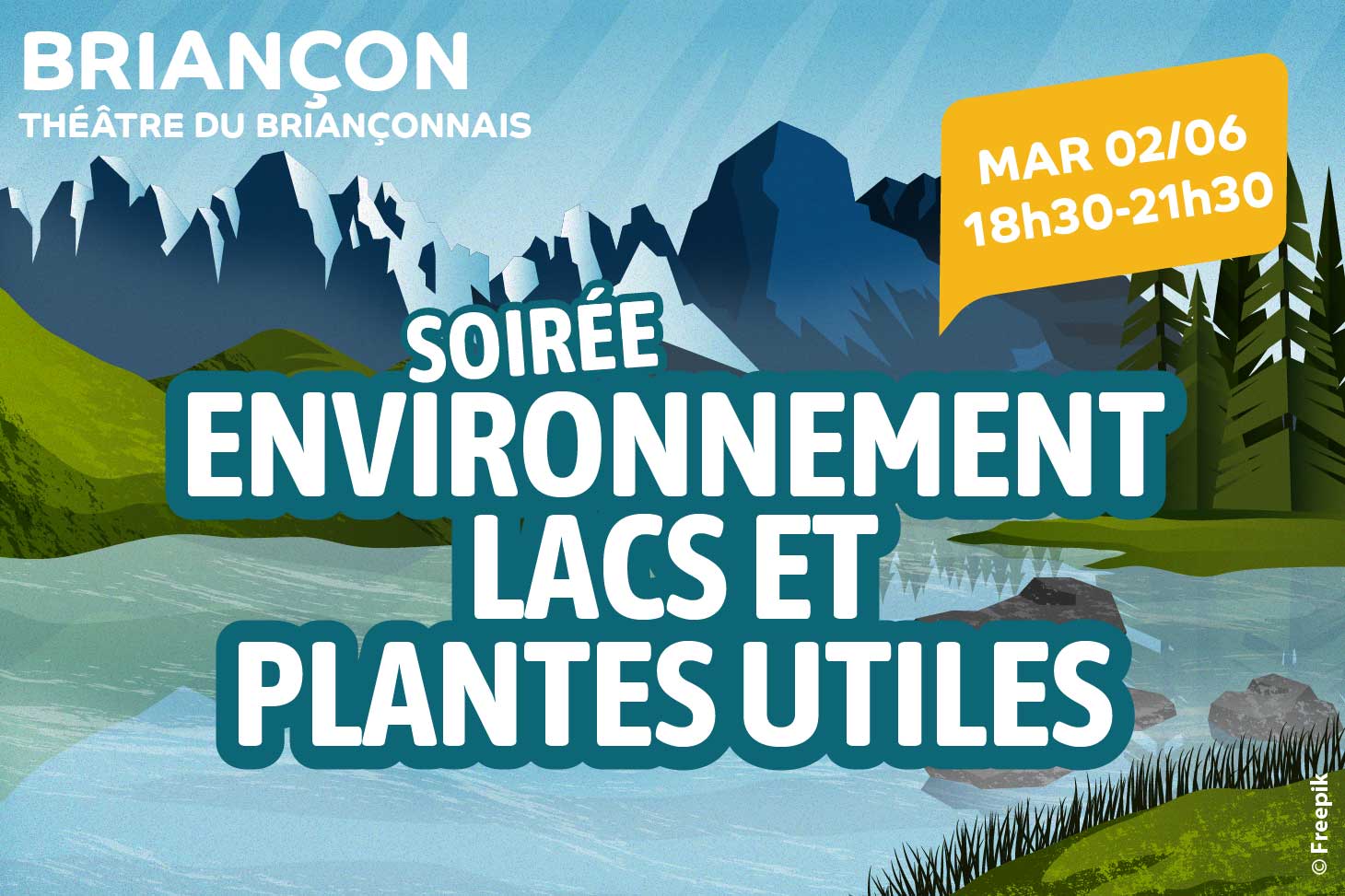
Evening Event: Environment, Lakes, and Useful Plants
Conference, Meeting / DiscussionHeritage, Research, Science and Technology
June 2, 2026
From 6:30 p.m. to 9:30 p.m. An evening of discussion with scientists working on issues related to pollution and the preservation of biodiversity in mountain regions. A complimentary buffet will be served.
A casual evening of discussion on ecosystem restoration
between local residents, community stakeholders, and researchers, focusing on soil pollution in mountain areas, recreational use of lakes, and the preservation and promotion of the remarkable flora of the French and Italian Alps.
3 short presentations on scientific research conducted in the region and a showcase of summer activities at the Lautaret Garden.
The discussion will then continue over a complimentary buffet.
Abandoned mining sites in the Alps, pollution, and issues related to vegetation adaptation
Former Alpine mines leave behind waste rich in heavy metals and pollutants, posing a potential threat to local ecosystems, with risks that have yet to be fully assessed. Among the few plants capable of growing on these toxic soils, Cardamine resedifolia is distinguished by its ability to accumulate metals, revealing unique tolerance mechanisms. The current research project aims to understand how this plant adapts to these extreme conditions, exploring both immediate responses and genetic evolution.
With Muriel Raveton, a research professor at the Laboratory of Alpine Ecology (LECA – CNRS/UGA/USMB).
Pollution of mountain lakes and an examination of recreational uses
In the public imagination, mountain lakes are often seen as oases where nature remains untouched. In reality, they are fragile ecosystems facing significant environmental and societal challenges, under increasing human pressure: climate change, pollution, and changing land uses. Since the COVID-19 health crisis, natural area managers have observed a marked increase in mountain visitation, accompanied by new activities such as swimming and camping. It is in this context that the PLOUF project, which has two objectives: to gain a better understanding of mountain lake users—their profiles, their activities, and their connection to these environments—and to assess the impact of these activities on lake ecosystems.
With Marine Souchier, research engineer at the Alpine Research Center on Trophic Networks and Limnic Ecosystems (CARRTEL – INRAE/USMB).
Clotilde Sagot, project manager for “physical measurements” at the Écrins National Park.
Richard Bonet, scientific director at the Écrins National Park.
Conservation of Medicinal, Edible, and Ornamental Plants in the French and Italian Alps
The Latin Alps are home to extraordinary biodiversity, featuring unique habitats and plant species that combine Alpine and Mediterranean elements. Among these species are plants of culinary, ornamental, medicinal, and aromatic interest, which remain largely understudied and are threatened by climate change and human activities. The project COrALp aims to preserve and promote them by integrating them into local short supply chains and urban gardens. Edible wild plants can be transformed into culinary specialties thanks to their nutritional and therapeutic properties. Ornamental species will help enhance the landscape and raise public awareness of the importance of biodiversity. The jardin du Lautaret a member of this European cross-border cooperation program between France and Italy. It involves a collaboration betweenUniversité Grenoble Alpes, the University of Turin, the Italian Council for Agricultural Research and Analysis of Agricultural Economics, the Langhe Monferrato Roero Territorial Development Agency, and the OrMe association, a network of urban gardens in the Turin metropolitan area. In our region, among others, the City of Briançon is also involved and, within the Governor’s Garden, will feature plant beds showcasing species highlighted in this project.
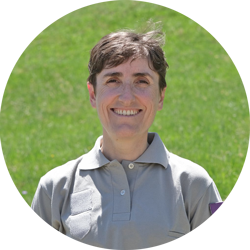
With Rolland Douzet, botanist and deputy director of the Lautaret Botanical Garden (UGA/CNRS).
Cultural and scientific program at the Lautaret Garden
Every summer, The jardin du Lautaret its doors to the public, starting on the 1ster weekend in June to 1er a weekend in September. Three months of continuous operation, during which a rich and varied program awaits visitors: guided tours for all ages, children’s tours, themed tours, behind-the-scenes scientific tours, workshops, participatory science activities, watercolor painting classes, exploration games, theater performances, concerts, lectures, meetings with researchers, astronomy discovery evenings...
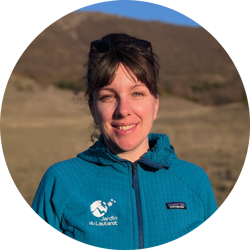
With Céline Boudard, Communications and Development Officer at the Lautaret Garden (UGA/CNRS)
An event funded by the CNRS Ecology and Environment and organized as part of Ecology, Environment, and Biodiversity Week.
An event supported by Arnaud Murgia, Mayor of Briançon, President of the Briançonnais Community of Municipalities, and President of the Écrins National Park.
Share the linkCopyCopiedClose modal windowShare this page's URLI recommend this page:Available at this address:The page will then be accessible from your "My Favorites" menu.Stop the videoPlay the videoMutePlay soundChat: Any questions?Chatbot Robo FabricaMatomo traffic statisticsX (formerly Twitter)
 Discovery and science