From 2:00 PM to 5:30 PM. Thursdays, June 18, July 2, July 9, July 16, July 23, July 30, August 6, August 13, and August 20. Hands-on science workshops. In the spirit of “live the life of a scientist,” join us in our ongoing experiments and research to help advance science with us!
After an introductory session at the Jardin du Lautaret, you’ll head out into the field for an introduction to the scientific method, collect samples, take various readings and measurements, and participate in research protocols under the guidance of scientists and researchers who work with The jardin du Lautaret they’ll be happy to answer all your questions.
Topics Covered
(subject to change depending on the day's weather)
Thursday, June 18: High-Altitude Blooms
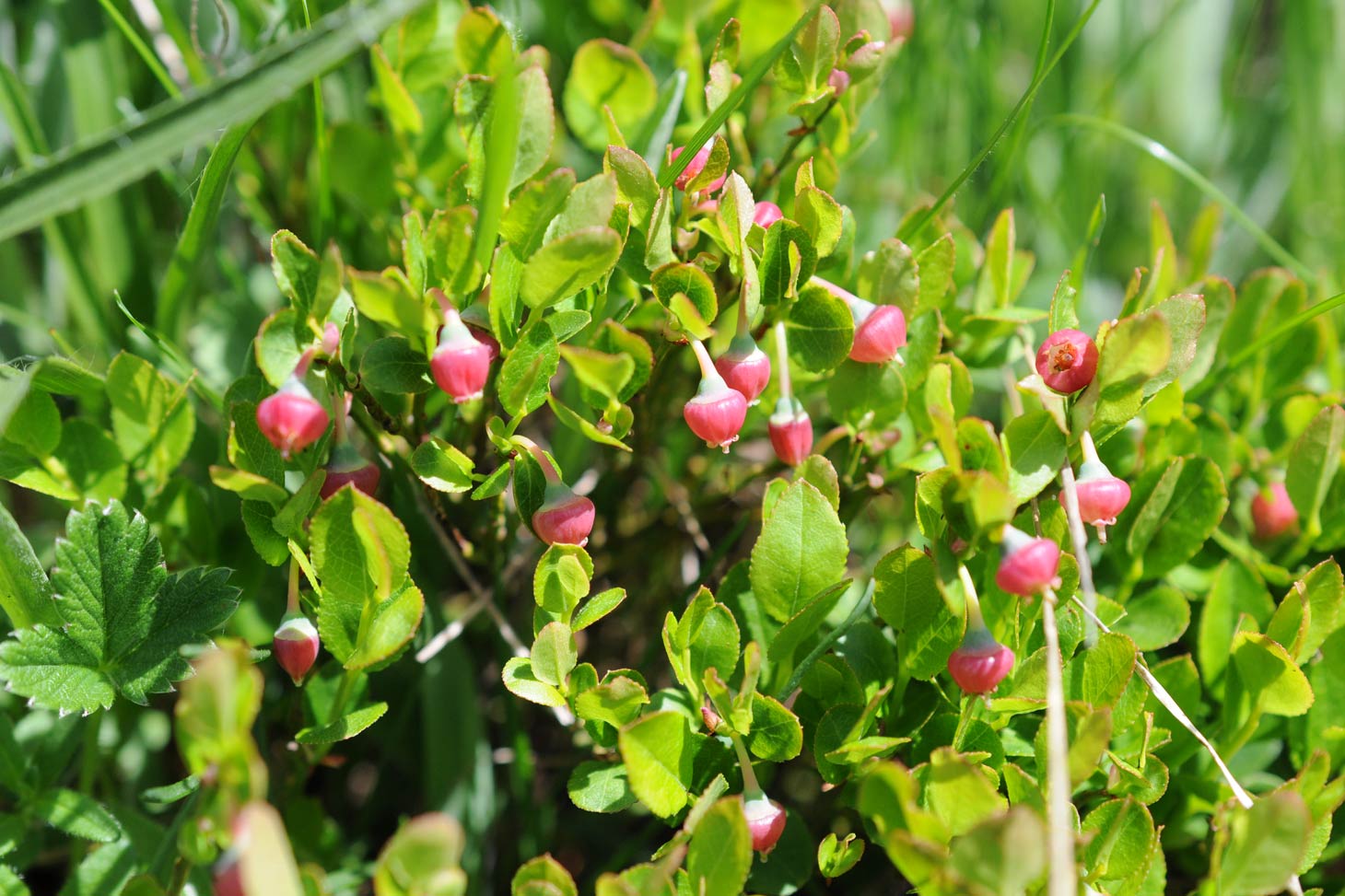
1, 2, step. Setting up the plot. It’s not so easy to form a square on this blueberry bush, but you’re starting to get the hang of it. This scientific protocol, developed as part of the program
High-altitude blooms, is part of a series of participatory observations that you can repeat during your visits to the Alps. Year after year, your observations contribute to our understanding. Researchers estimate flowering dates, quantify shifts and their links to climate, and then assess the level of synchronization with pollinators and the consequences for biodiversity.
With Isabelle Boulangeat, a researcher at the Laboratory of Mountain Ecosystems and Societies (INRAE)
Suitable for everyone ages 10 and up. The hike starts on foot from The jardin du Lautaret. Be sure to bring plenty of water, sunscreen, and sturdy shoes.
Thursday, July 2 and 9: The Blood of the Glaciers... Investigation Underway!

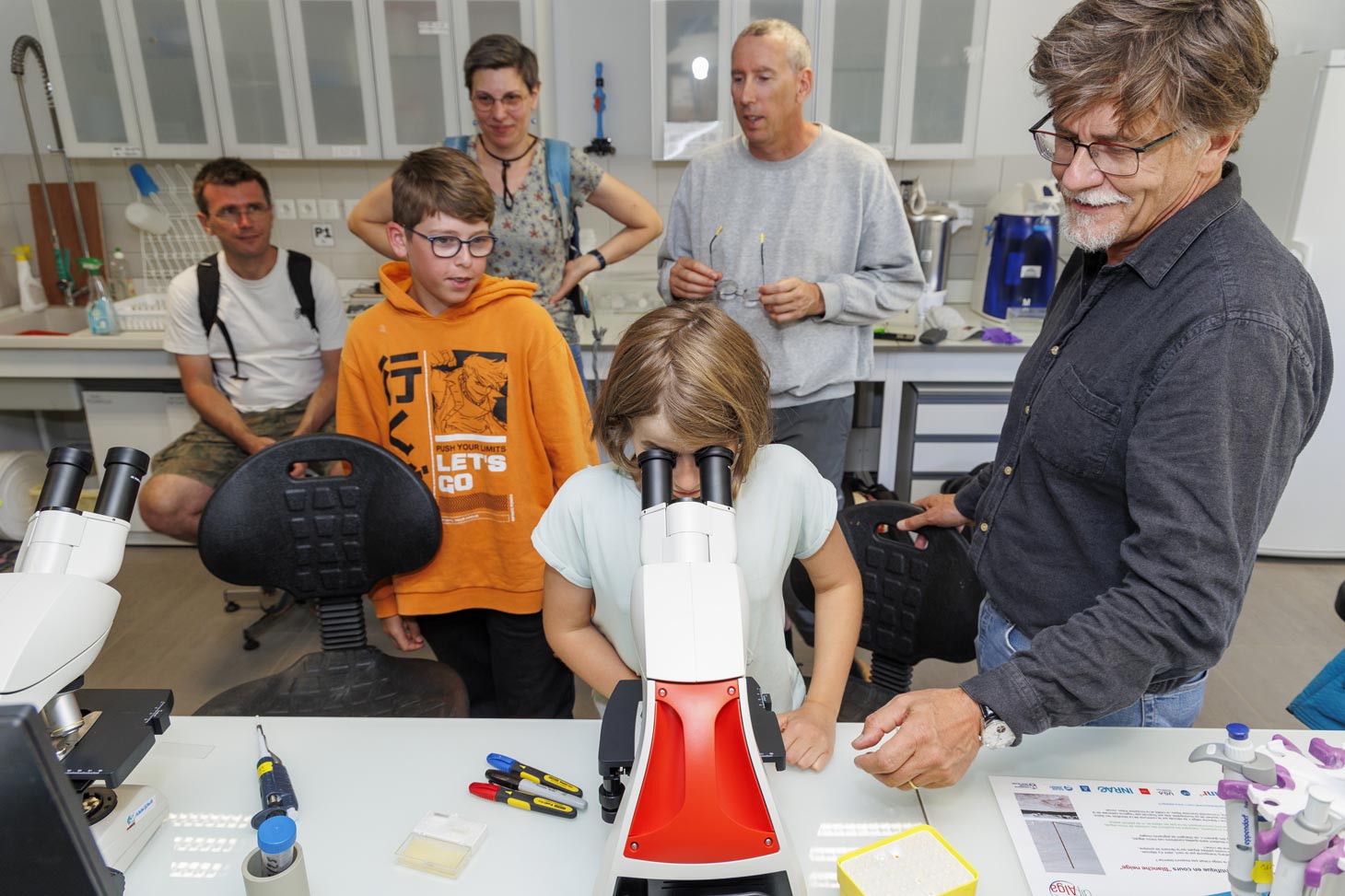
We invite you to take part in this investigation! As the sun melts the snowfields, some are covered with red streaks, known as “glacier blood” in French and “watermelon snow” in English-speaking countries. Since 2017, several scientific teams from Grenoble have been studying this phenomenon, particularly around Lautaret. It wasn’t until 2019 that the culprit was identified by Czech scientists: it is a microscopic green algae that accumulates a red pigment under certain conditions and has been named
Snowy bloodroot. Accompanied by a scientist involved in the project, we will drive a few kilometers along the Galibier road to reach the study sites, where we will collect soil samples—and even snow samples, depending on the season and altitude—at regular intervals. Equipped with gloves, sterile tubes, a map, and a GPS, we will collect the samples needed for the project, then bring them back to the lab to examine them under a microscope.
With Jean-Gabriel Valay, professor and researcher and director of the Lautaret Botanical Garden (UGA/CNRS).
Suitable for everyone ages 8 and up. A personal vehicle is required to get out into the field. Be sure to bring plenty of water, sunscreen, and sturdy shoes.
Thursday, July 16 and 30: How about we go look for snails at the Col du Lautaret?
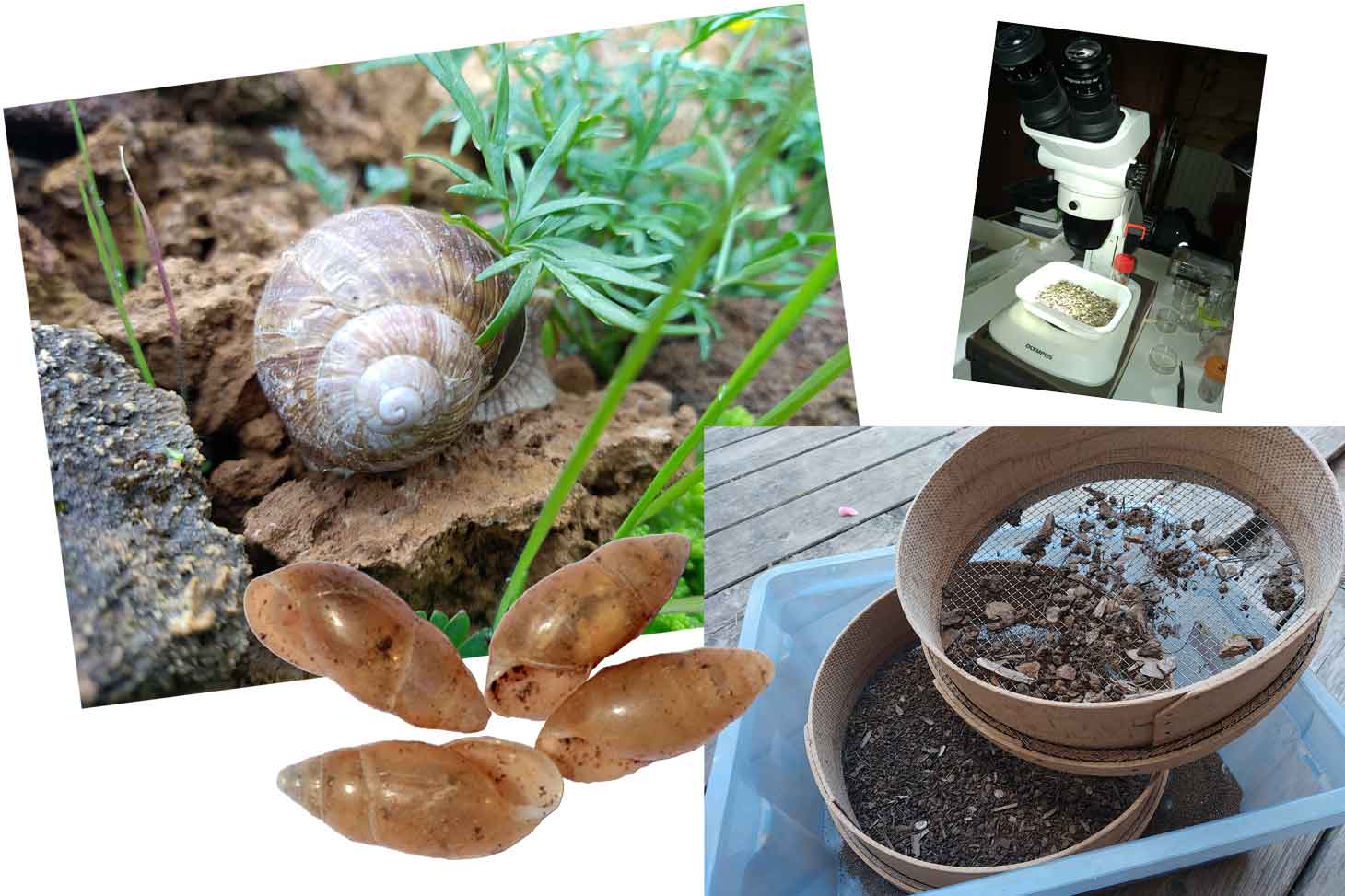
We invite you to explore the mollusks of Lautaret (snails, and perhaps slugs as well), guided by a malacologist from our team. Equipped with the necessary gear to search for these sometimes tiny species, we will explore the area around the pass and the grounds of the Lautaret Garden. We’ll explain various collection methods and collect several samples. GPS coordinates will allow us to precisely locate each site. Back in the lab, after sorting and examining the specimens under a binocular magnifying glass, we’ll identify the species found and discuss the life and habits of these animals at 2,000 meters above sea level. The information gathered will serve as the starting point for the mollusk inventory of the Col du Lautaret and will be added to a national database. Butter and garlic won’t be necessary, but your curiosity certainly will!
With Christophe Perrier, botanist and science communicator at the Lautaret Garden (UGA/CNRS), and independent malacologist.
Suitable for everyone ages 5 and up. The hike starts on foot from The jardin du Lautaret. Be sure to bring water, sunscreen, and sturdy shoes.
Thursday, July 23: In Search of Wolf's-foot (the plant!)
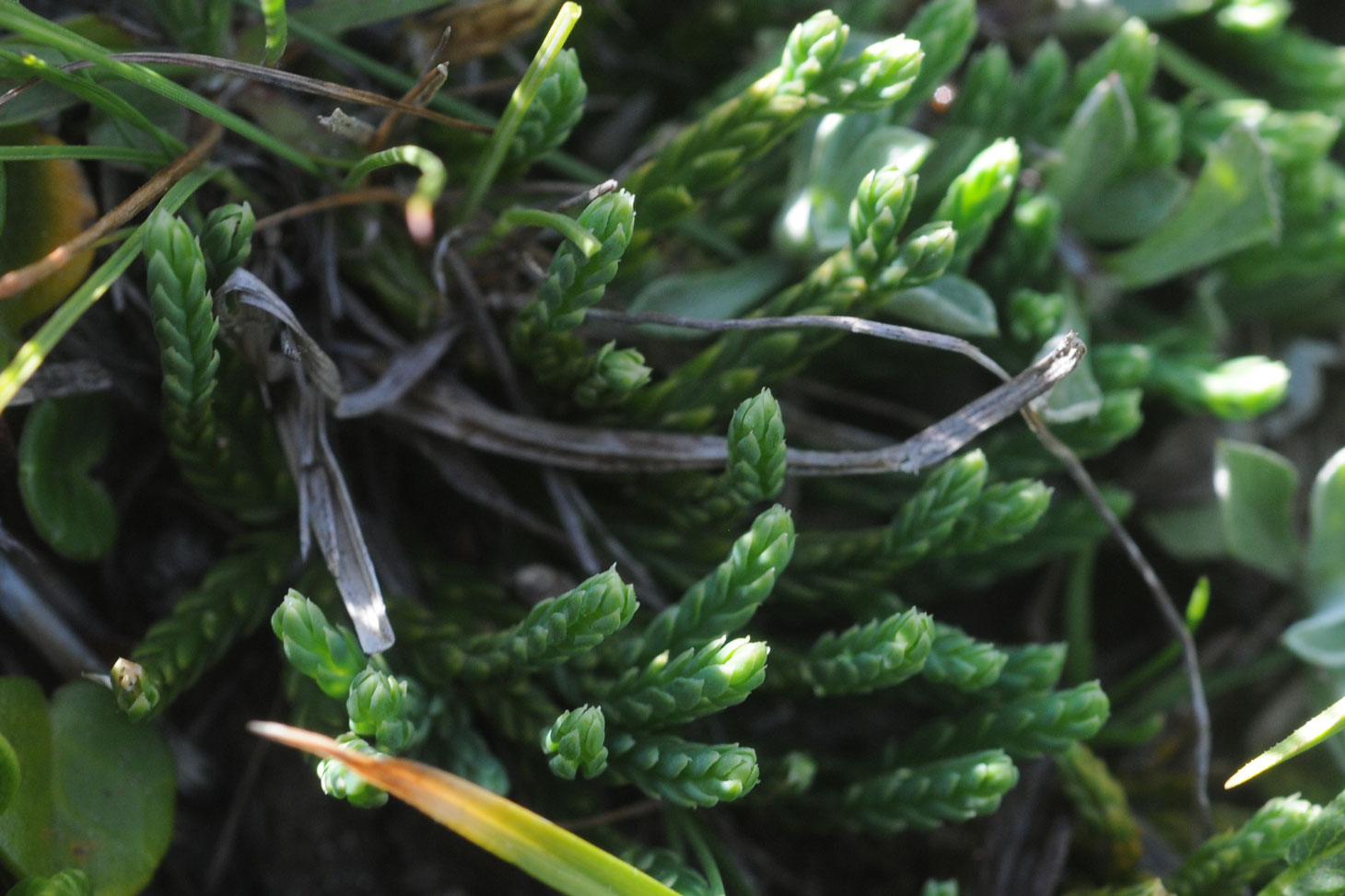
Accompanied by a botanist from our team, we will try to track down the wolf’s-foot fern—a plant closely related to ferns—on the outskirts of the Lautaret Garden. Rare and protected, the Alpine clubmoss will be our target. Once found, various methodologies will be explained to you for closely studying the specimens found: quadrat, point-contact, and transect methods will hold no secrets for you! After pinpointing the location with GPS, we will then conduct a botanical survey of the other plants present and take some measurements (leaves, spike size, etc.). All of this data will serve as the starting point for long-term monitoring. If you have the spirit of a pioneer and want to contribute to the preservation of this species.
With Christophe Perrier, botanist and science communicator at the Lautaret Garden (UGA/CNRS)
Suitable for everyone ages 8 and up. The hike starts on foot from The jardin du Lautaret. Be sure to bring water, sunscreen, and sturdy shoes.
Thursday, August 6: Alpine Torrents
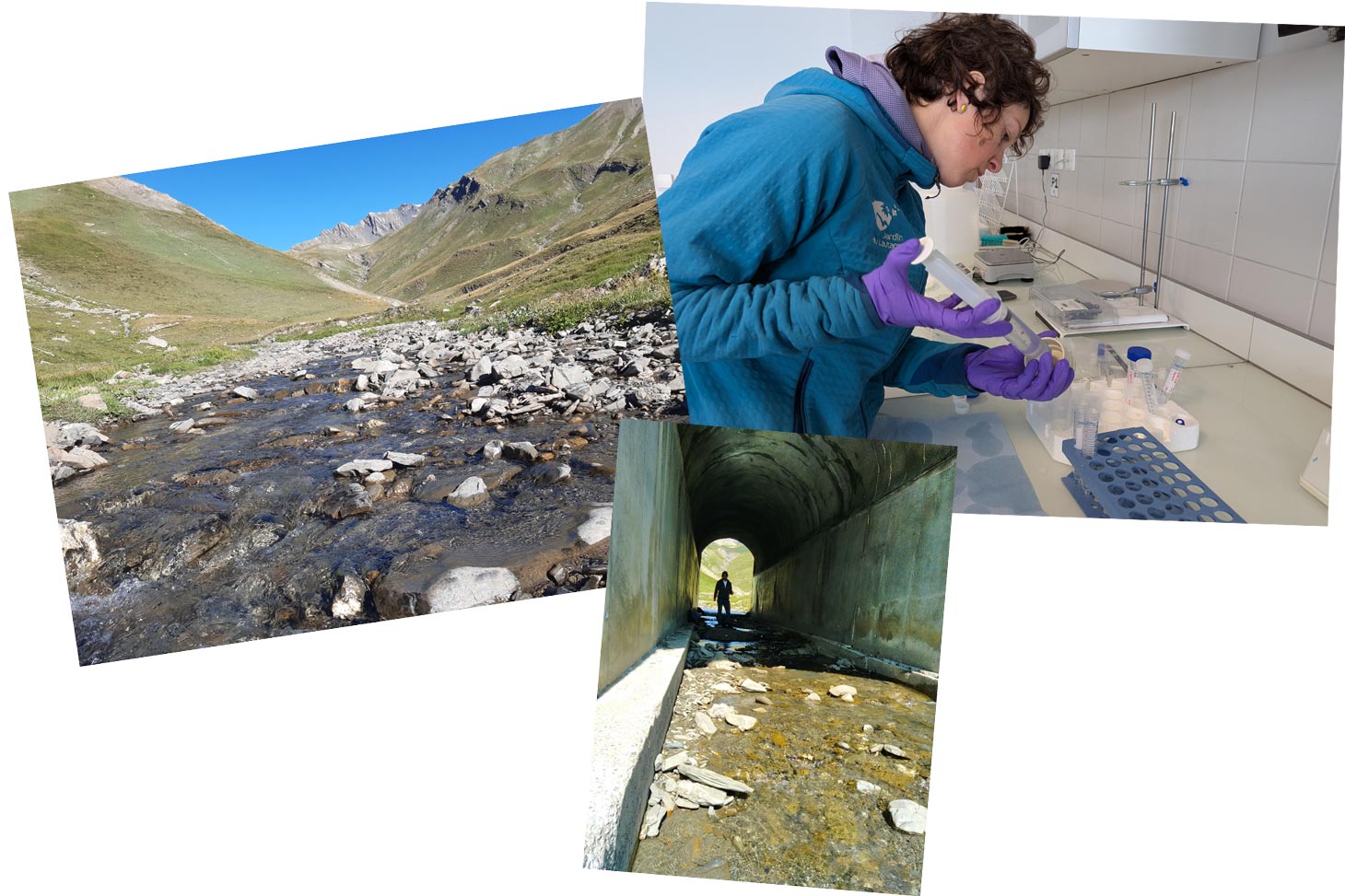
Do you know what lies hidden in the swirling waters of a mountain stream? We invite you to find out during a hands-on science workshop along an alpine stream near the Jardin du Lautaret. Accompanied by our engineer, who oversees river sensors and monitoring, you’ll learn to measure the water’s physical and chemical properties (temperature, pH, conductivity, etc.), collect samples following strict protocols, and estimate the stream’s flow rate using various measuring instruments. This workshop will provide an opportunity to discuss the functioning of mountain aquatic environments, their evolution, and their role in the face of climate change. If you have boots or shoes that can get wet, you’ll be able to fully immerse yourself in the experience (though it’s also possible to participate comfortably from the riverbank).
With Lucie Liger, instrumentation and data engineer at the Lautaret Garden (UGA/CNRS)
Suitable for everyone ages 10 and up. A personal vehicle is required to get out into the field. Be sure to bring plenty of water, sunscreen, and sturdy shoes.
Thursday, August 13: Blueberries and heathland
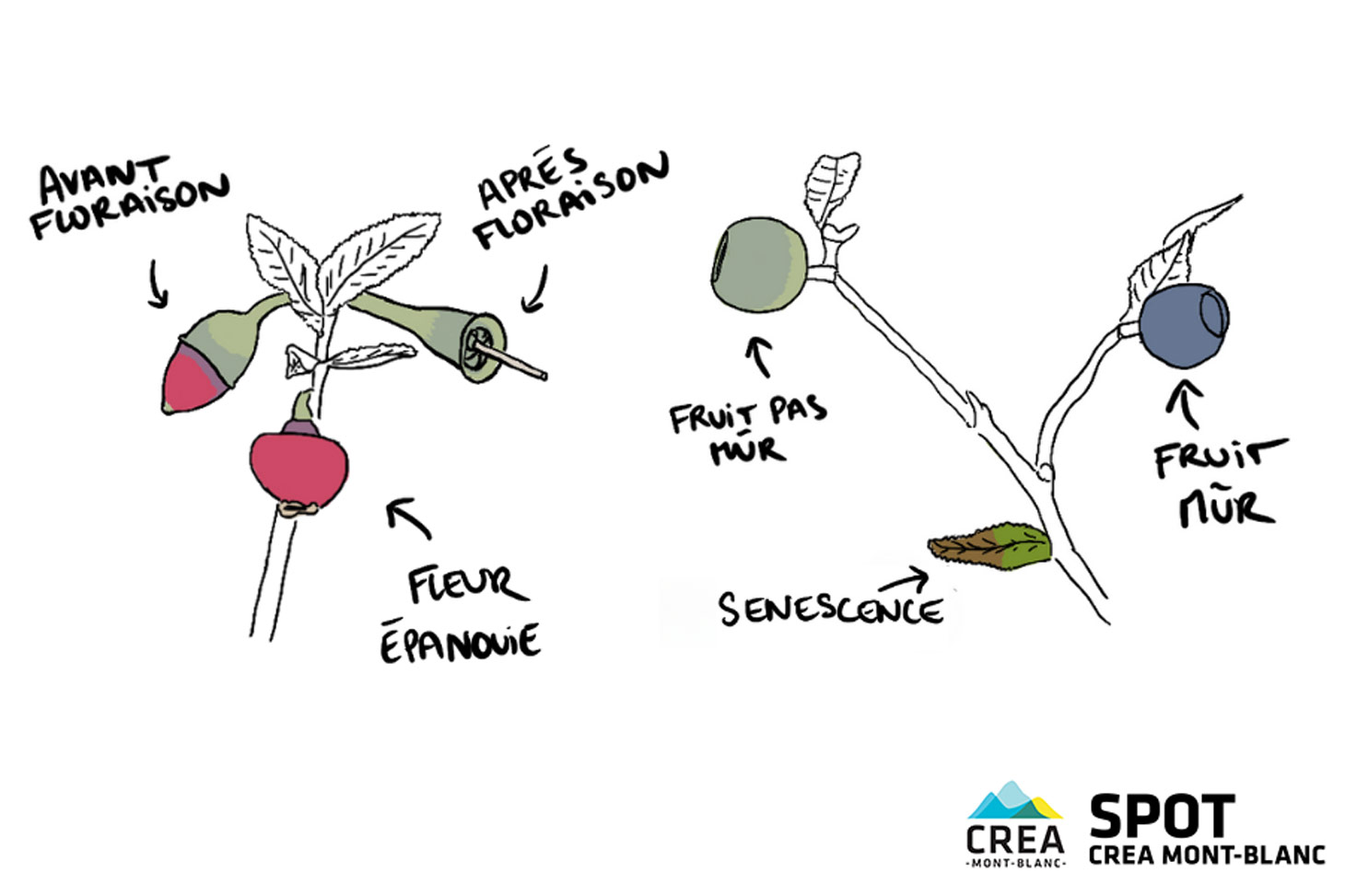
Hmm, blueberries! Are they ripe? Let’s set up a plot around this bush to take a closer look. Observing blueberries and the habitat they provide for biodiversity is central to research on alpine ecosystems. Year after year, your observations contribute to our understanding. Researchers estimate fruiting dates, quantify shifts and their links to climate, and then model the dynamics and distribution of heathlands.
With Isabelle Boulangeat, a researcher at the Laboratory of Mountain Ecosystems and Societies (INRAE)
Suitable for everyone ages 10 and up. The hike starts on foot from The jardin du Lautaret. Be sure to bring plenty of water, sunscreen, and sturdy shoes.
Thursday, August 20: Conservation and Promotion of the Flora of the Latin Alps
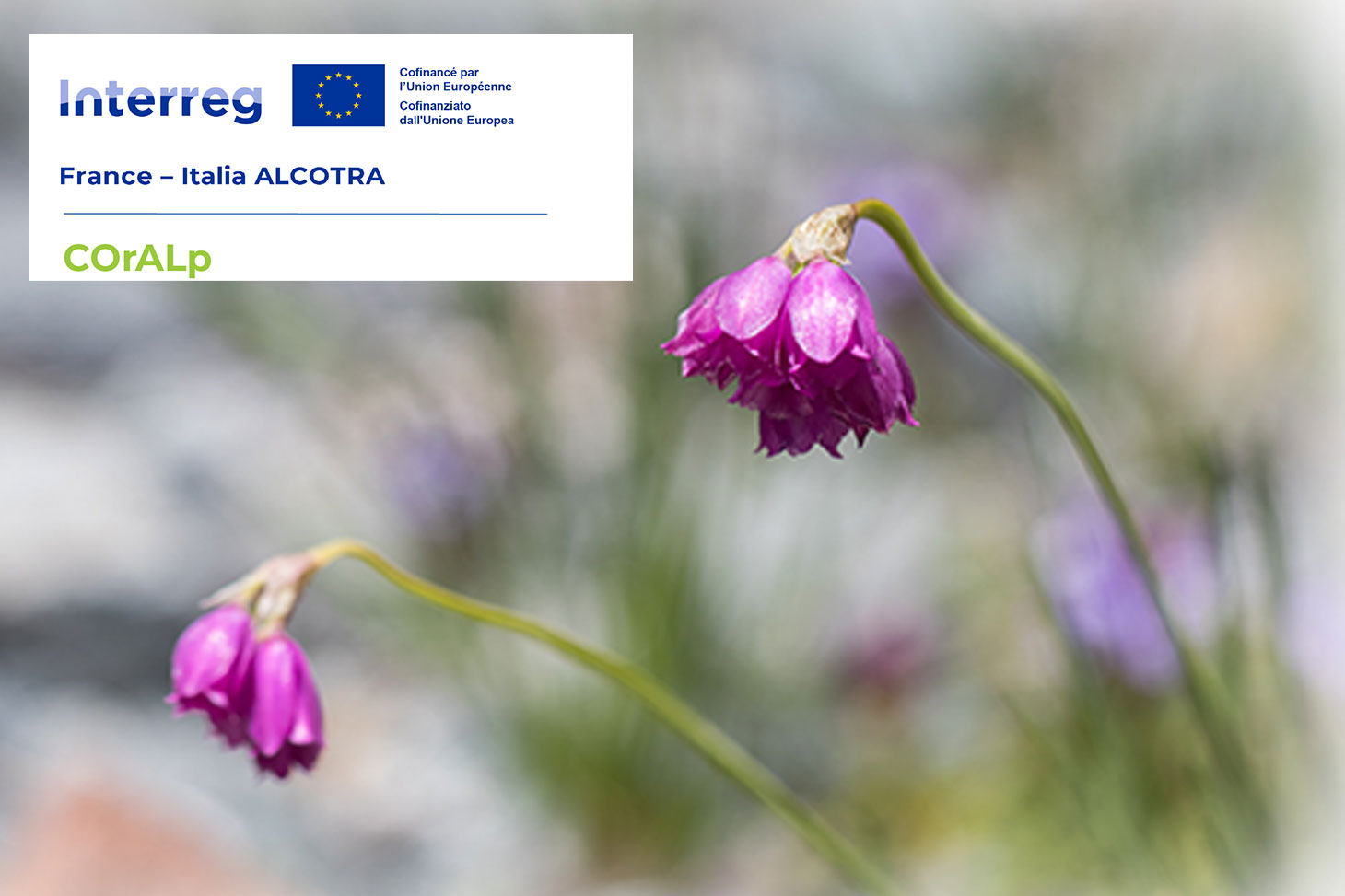
The jardin du Lautaret in the France-Italy cross-border project
COrALp, which aims to select and promote wild plants with culinary, aromatic, and ornamental potential, while reducing the pressure of foraging in the wild and promoting a more sustainable use of plant resources. After we’ve introduced you to the various selected species, please help us sort the seeds and learn more about their conservation and their future use in vegetable gardens and urban ornamental beds.
With Sarah Grangeon, COrALp project manager at the Lautaret Garden (UGA/CNRS)
Suitable for everyone ages 10 and up. You will remain within the grounds of the Lautaret Garden. Be sure to bring something to drink and sunscreen.
 Discovery and science