Discover 2,000 species of high-altitude plants in an incredible setting, presented by geographical origin, habitat, botanical classification, and medicinal or nutritional properties. Each step takes you to a new continent in this botanical and dreamlike tour of the world.
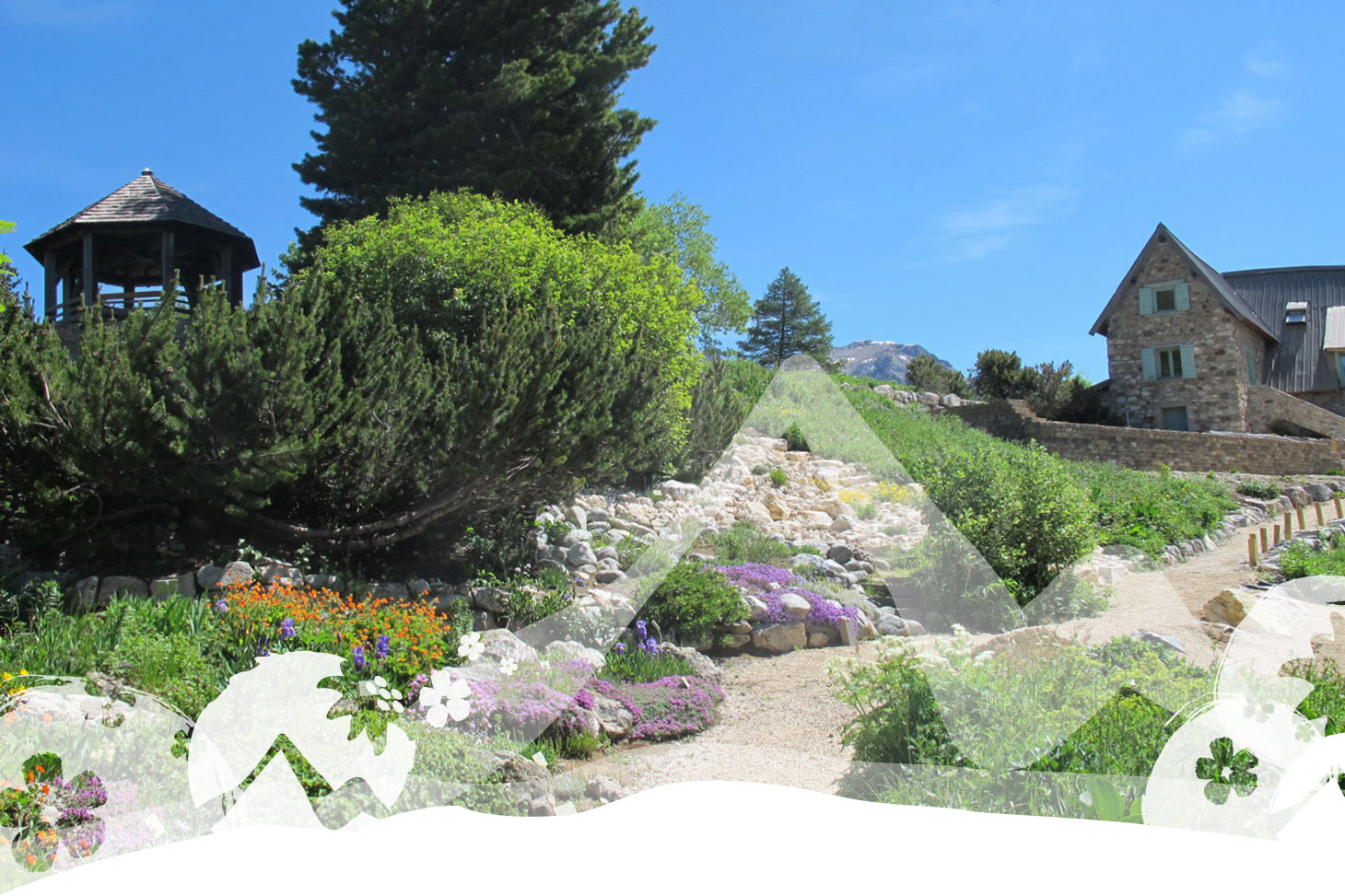
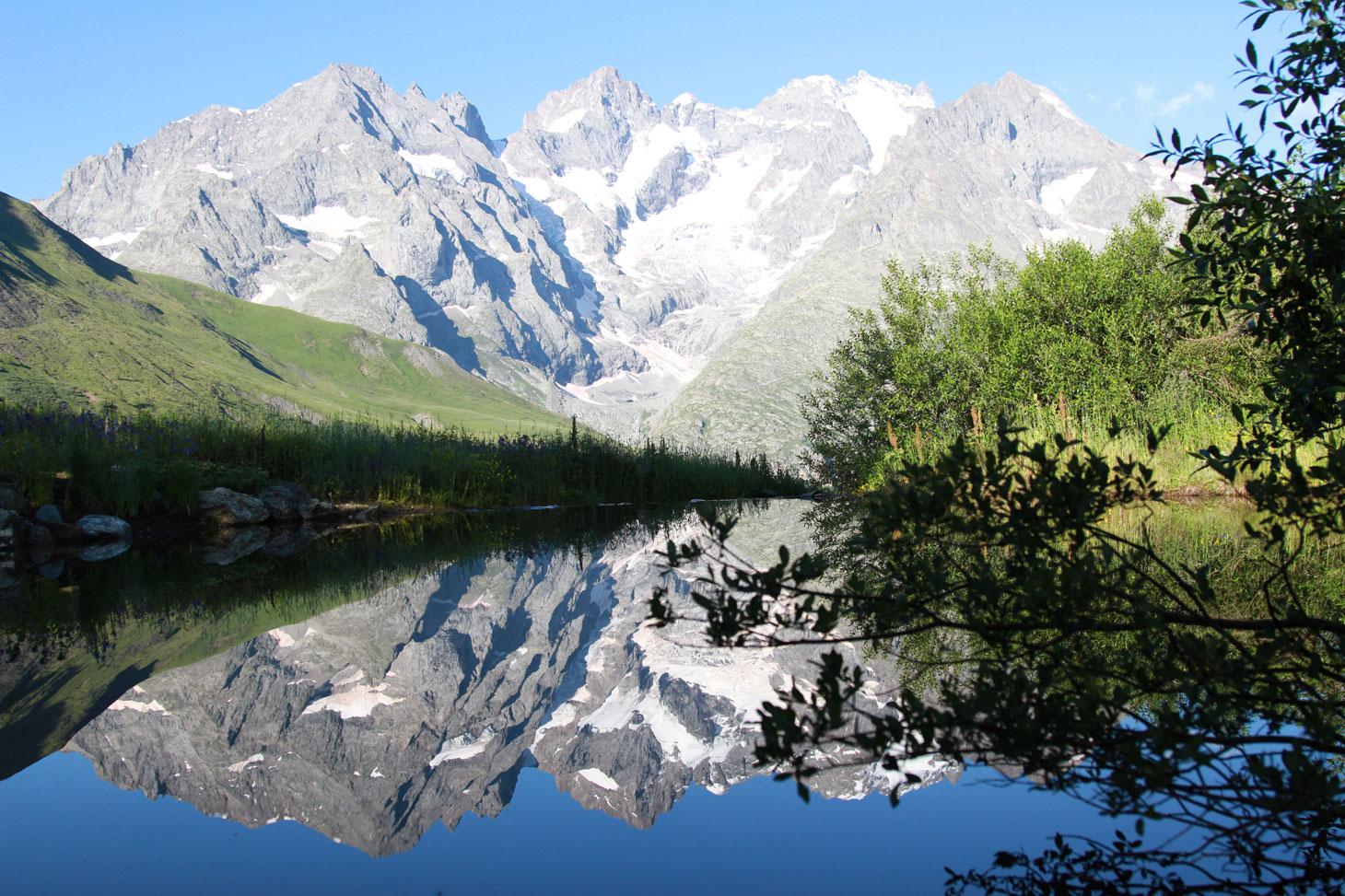
Surrounded by mountain peaks, stroll among streams, pontoons, ponds, restored habitats, natural meadows, historic chalets, century-old trees, birdhouses... until you reach this unique view of La Meije, reflected in the water of a small pond surrounded by flowering plants.
Why a garden at the Lautaret Pass?
The Col du Lautaret is at the crossroads of the Northern and Southern Alps, the inner and outer Alps. The diversity of climatic influences and the geological diversity of the terrain have fostered natural botanical diversity. French flora comprises around 6,000 species in total. At Lautaret, there are around 1,500. That's a quarter of French flora in just a fewsquare kilometers!
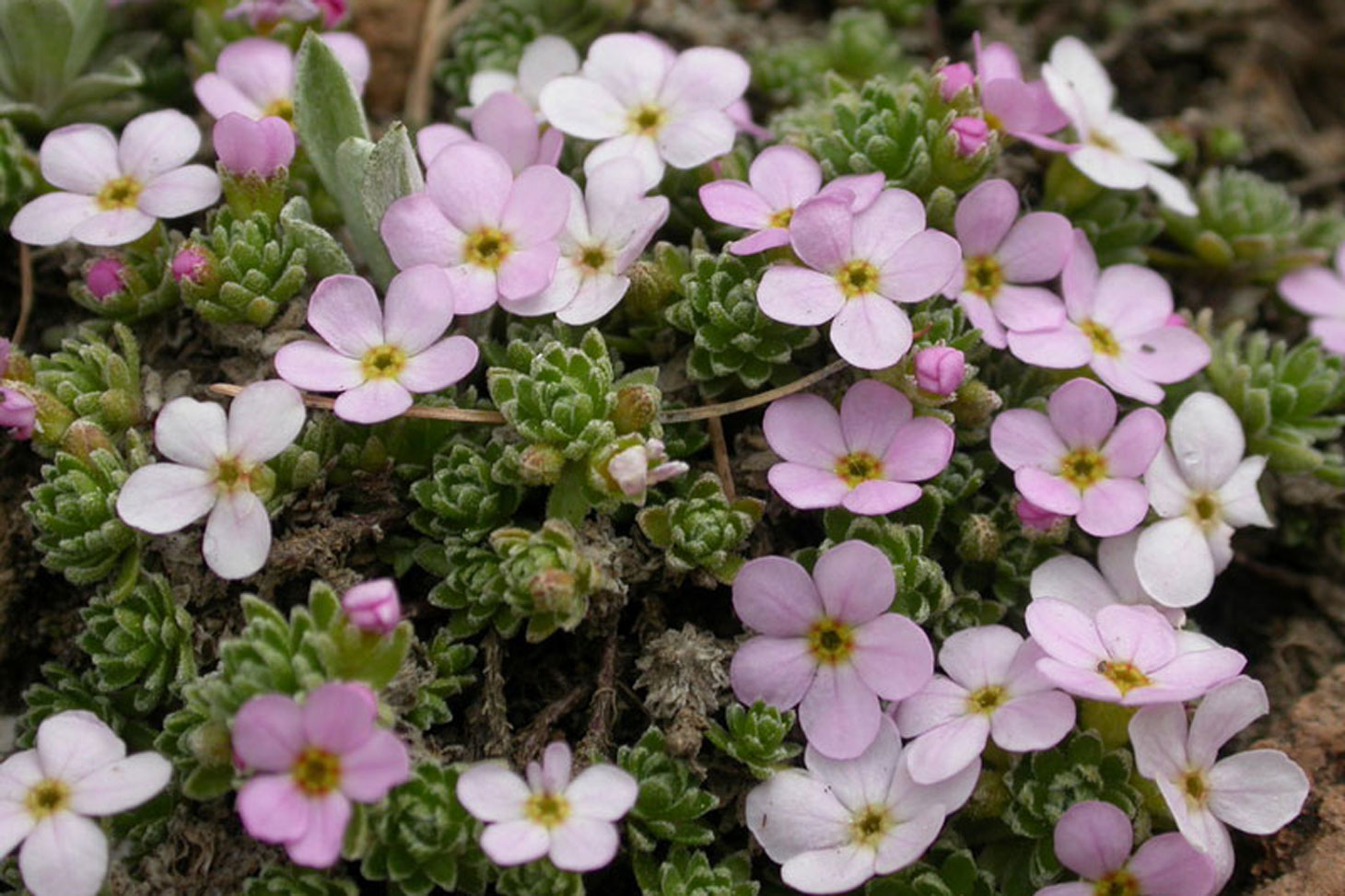
Alpine rock rose
Alpine zone and alpine plants
When describing a plant that grows in the Alps, it is appropriate to refer to it as an alpine plant. At jardin du Lautaret, you will hear about alpine and subalpine plants from all over the world. Mountain vegetation is divided into zones: collinean, montane, subalpine, alpine, and nival. Each zone is home to characteristic types of vegetation. In the French Alps, the alpine zone begins at an average altitude of 2,300 meters. This is the natural limit of the forests. In tropical and equatorial zones, this limit is at an altitude of 4,000 meters. In polar zones, this limit drops to sea level. These variations in altitude are due to differences in temperature between each of these parts of the globe.
Vegetation stratification in the Briançonnais region of the Alps.
South-facing slopes (adrets) are warmer, which explains why vegetation grows higher up than on north-facing slopes (ubac).
The jardin du Lautaret located at an altitude of 2,100 meters. The garden's natural meadow lawns feature subalpine wild plants that grow back every year without our intervention. We plant alpine and subalpine plants in rockeries and flowerbeds. Their seeds have been harvested in the surrounding mountains or come from our international seed exchange network between botanical gardens. Every year, The jardin du Lautaret 1,500 packets of seeds around the world and receives around a hundred in return.
Why rockeries and flower beds?
The rock gardens are home to small alpine plants that are adapted to the extreme conditions of the alpine zone and thrive in very mineral-rich soil. The flowerbeds showcase subalpine flora, which requires richer soil and deeper roots. The jardin du Lautaret around sixty flowerbeds and rock gardens.
View from the Balkan Mountains
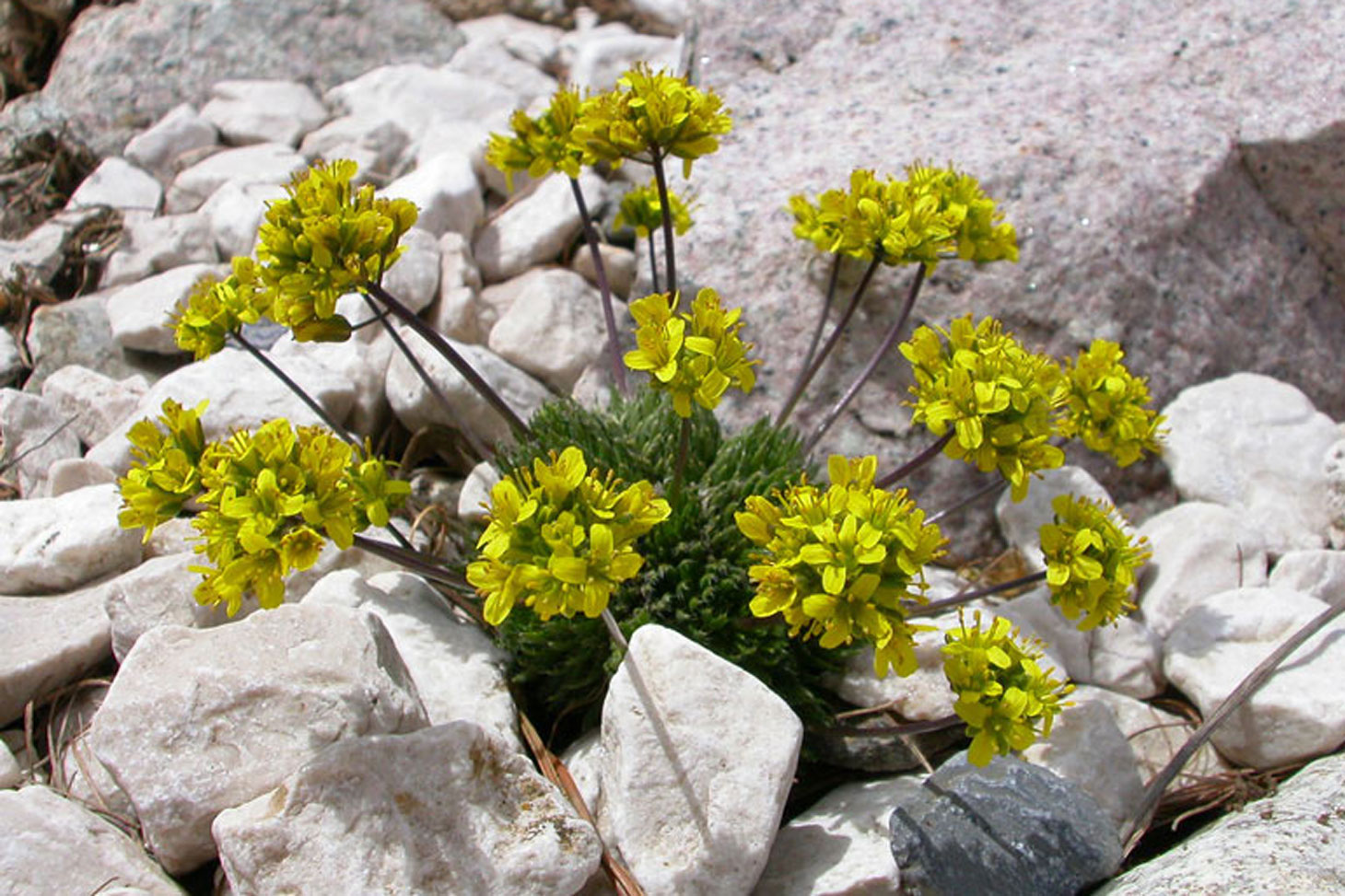
Draba hispanica, Spanish mountain rockery
A garden in constant redevelopment
Over time, flower beds become increasingly difficult to weed. They are invaded by competitive species that cause the loss of the plants we wanted to highlight. Gardeners play a vital role in preserving collections during the short period when they can intervene once the snow has melted from the garden. Around ten flowerbeds and rockeries are redesigned each year.
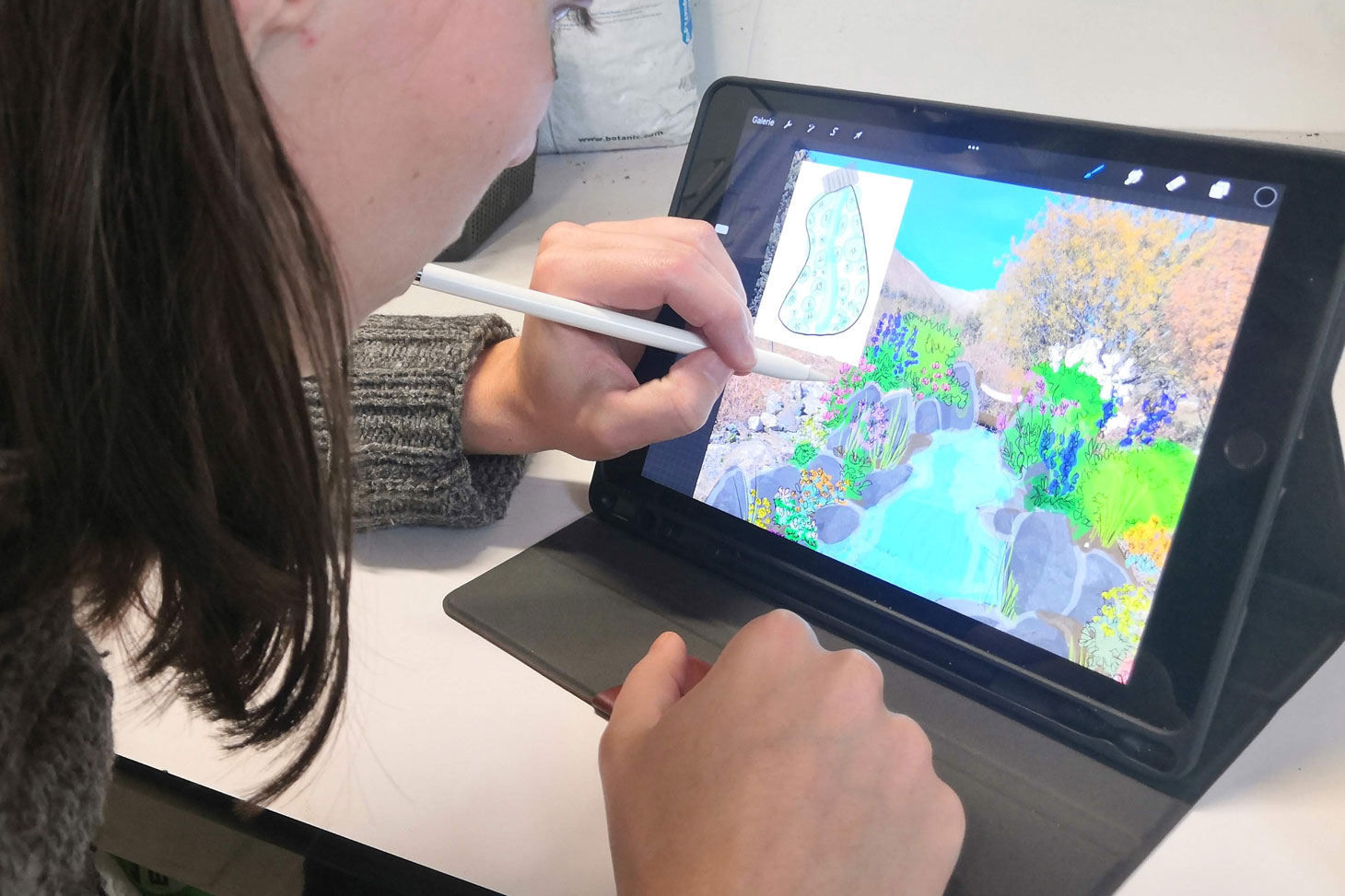
Renovation work on flower beds and rockeries is planned several years in advance.
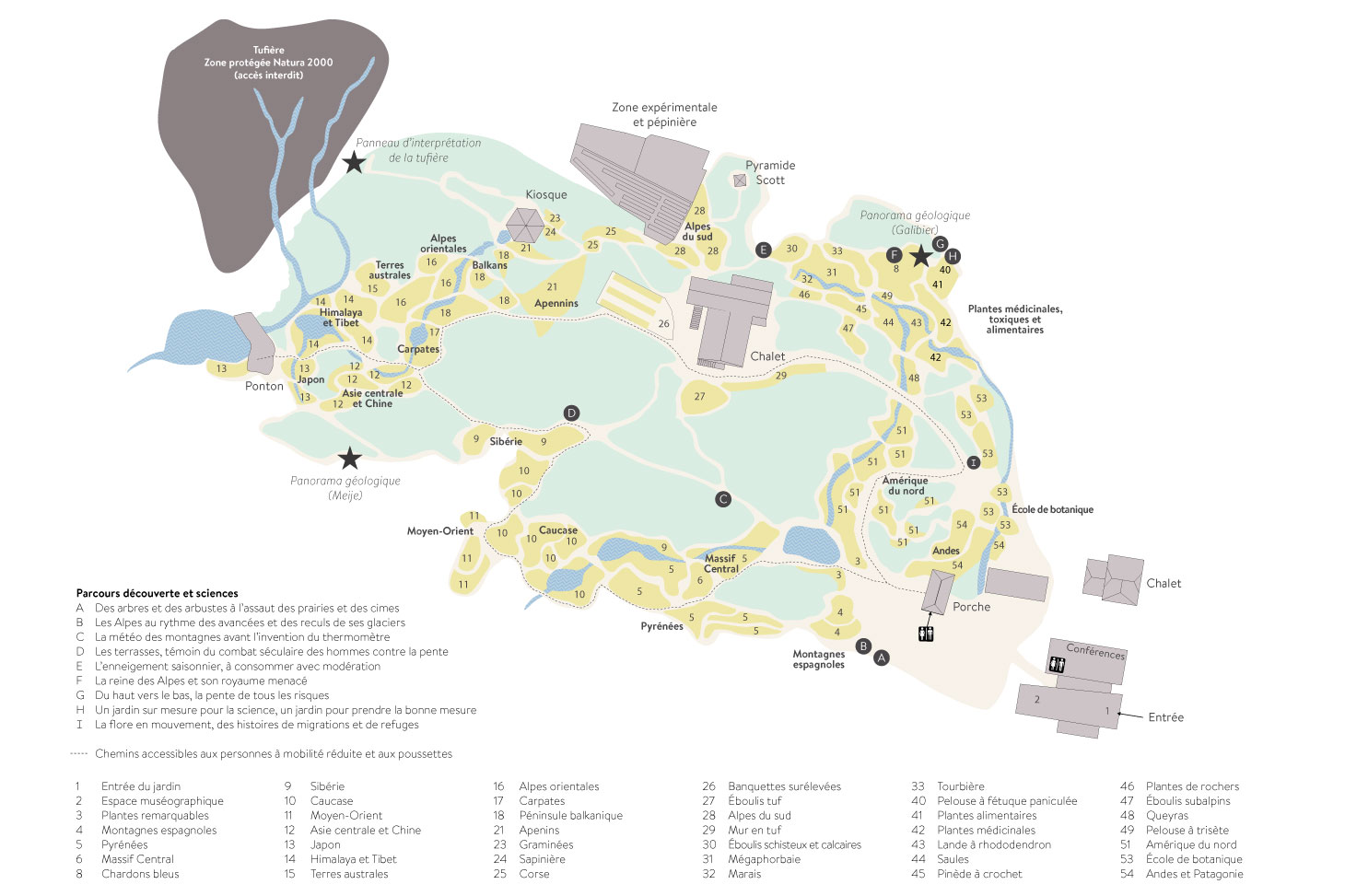
Plan of the garden's flowerbeds and rockeries - summer 2022
Share the linkCopyCopiedClose modal windowShare this page's URLI recommend this page:Available at this address:The page will then be accessible from your "My Favorites" menu.Stop the videoPlay the videoMutePlay soundChat: Any questions?Chatbot Robo FabricaMatomo traffic statisticsX (formerly Twitter)
 Discovery and science
 Alpine rock rose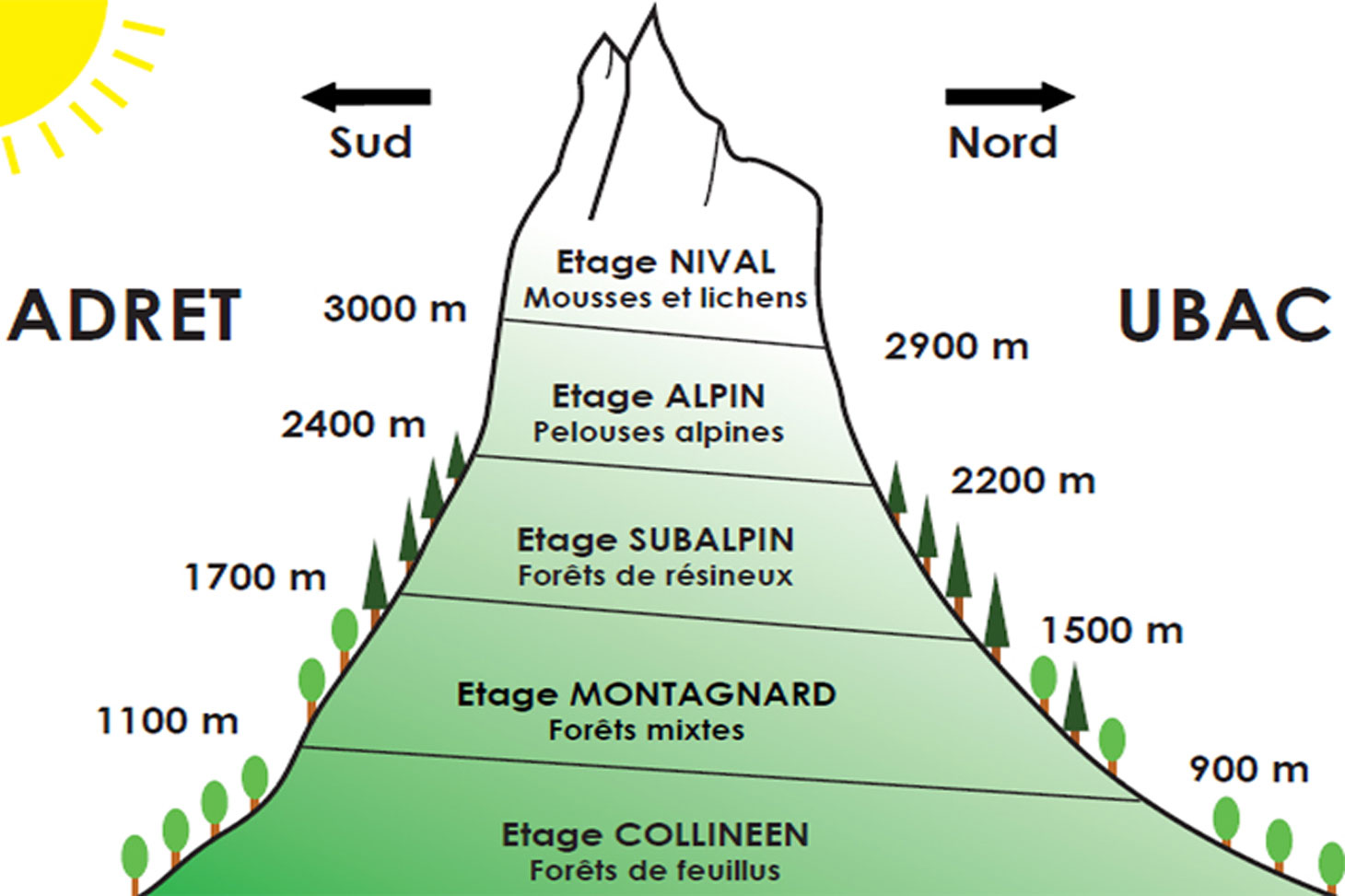
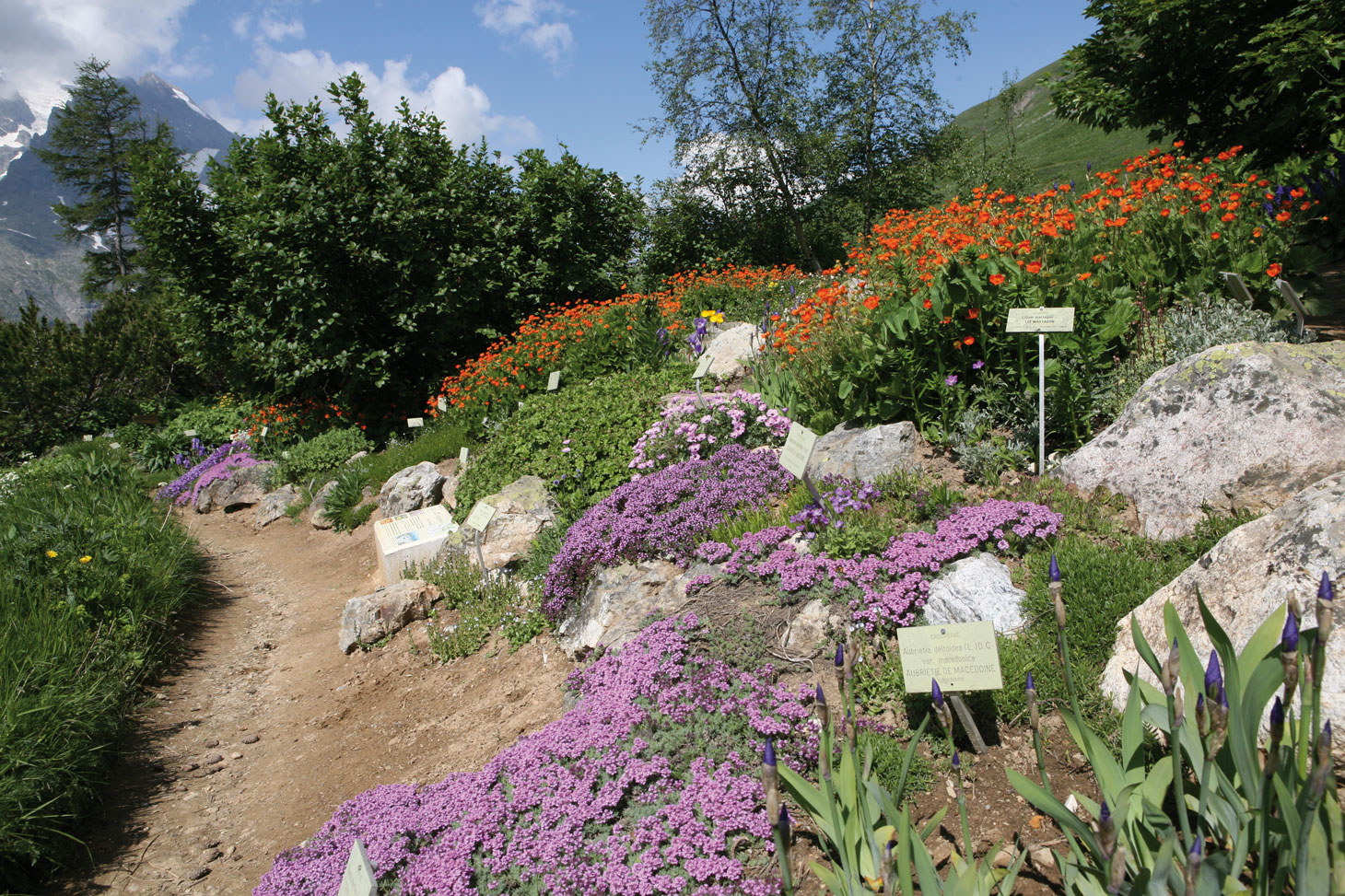 View from the Balkan Mountains