Training sessionTraining, Scientific and technical culture
July 13, 2026 - July 16, 2026Villar-d'Arène - Lautaret Garden
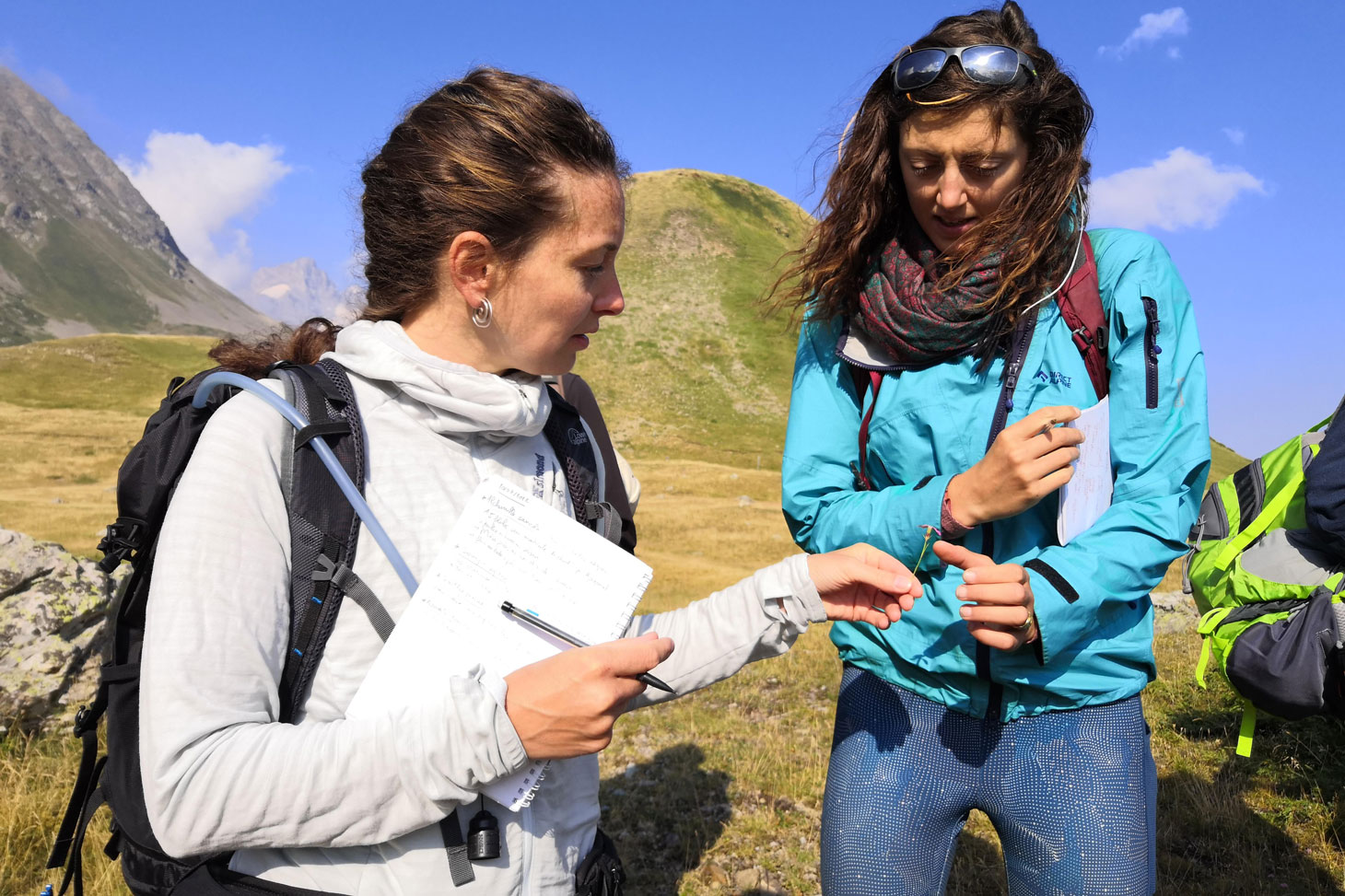
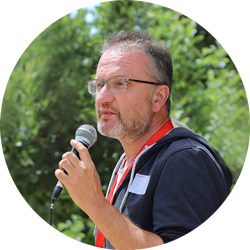
July 13-16, 2026: Four days of training on the functioning and uses of high-altitude plant communities in the Lautaret garden and surrounding area, alternating between field trips and classroom sessions to learn about the alpine plant formations in the area. Each plant group will be presented through its structuring species, their floristic characteristics, the specific features of the environment, its ecological functioning, and interactions with humans. Course supervised by Rolland Douzet, botanist and associate professor atUniversité Grenoble Alpes.
Target audience
Tour guides and mountain guides
Environmental technical agents, agency staff, park staff
Pastoral and agricultural technicians
Pastoralists
Environmental consulting firm staff
Doctoral students
Program (subject to change depending on weather conditions)
Day 1: Presentation of subalpine and alpine habitats
10 a.m. to 12 p.m.: Welcome for trainees at the Lautaret garden
Presentation of supervisory structures (Jardin du Lautaret and CBNA). Botanical concepts: the basics of plant classification; some tools for plant identification; concepts of vegetation zones and habitats. Introduction to the geography, geology, flora, climate, and agricultural activities of the Lautaret-Galibier area.
1:30 p.m.: The brome grass meadows of the Villar d'Arène terraces
At the village of Les Cours, we will present the agro-pastoral importance of this thermophilic formation.
3:30-6:00 p.m.: Meadows with tall fescue
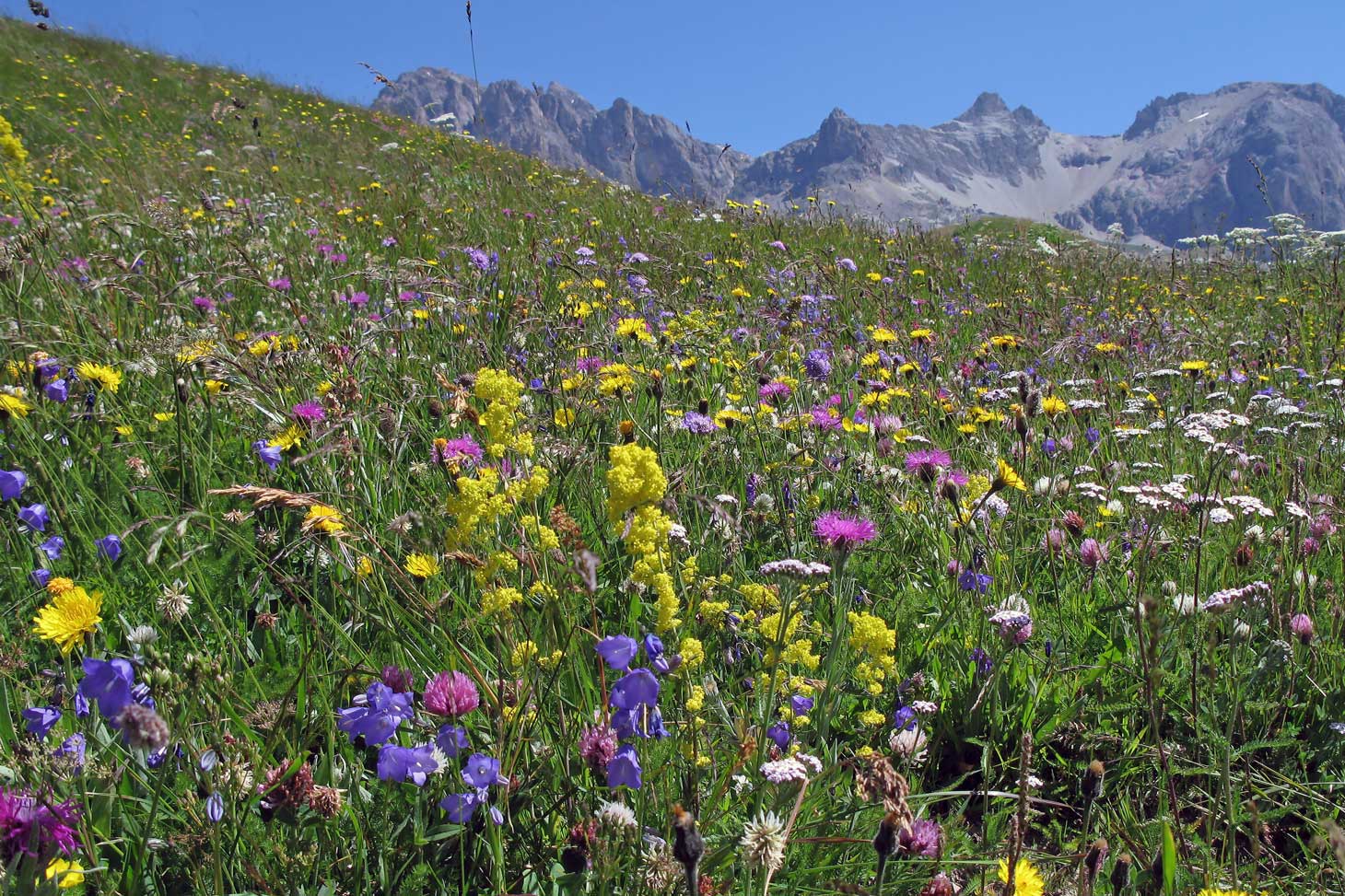
A dense, highly developed vegetation covers the meadows around the Col du Lautaret. Many species are present and compete fiercely with each other. We will observe how these meadows evolve depending on whether they are grazed or mowed.
Day 2: Key species in alpine vegetation
8:30 a.m.: Meet at the Lautaret Pass
Departure for the valley with herbaceous willow and blue rock cress, towards the Desgranges monument (Galibier tunnel)
At alpine altitudes, depressions in the terrain remain snow-covered for many months. A distinctive flora, consisting of small perennial rosette plants, develops during a short growing season.
10:30 a.m.: The peaks of the Col du Galibier
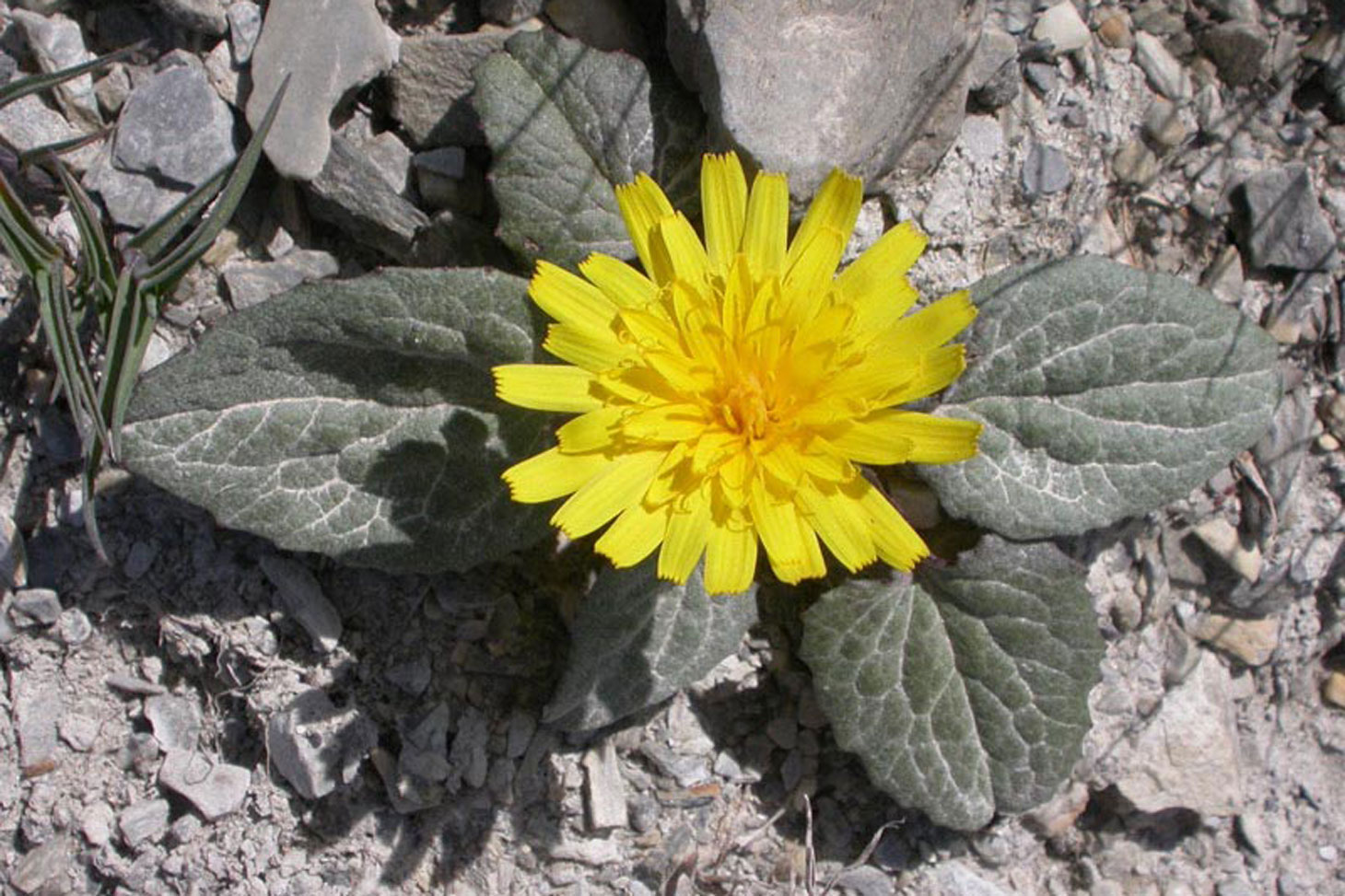
Towards the orientation table, the schistose scree and gypsum dissolution funnels feature very sparse vegetation consisting mainly of mountain lion's tooth and stinking oxytropis. Despite the harsh environment, there is a good diversity of remarkably well-adapted plant species.
1:30 p.m.: Learn how to use an identification key and understand how to identify high-altitude grasses.
Indoor identification of plants collected in the morning, supervised by trainers.
Day 3: The low marshes of the Col du Lautaret
8:30 a.m.: Meet at the Lautaret Pass
Departure for the Combeynot nature reserve, near the sources of the Guisane.
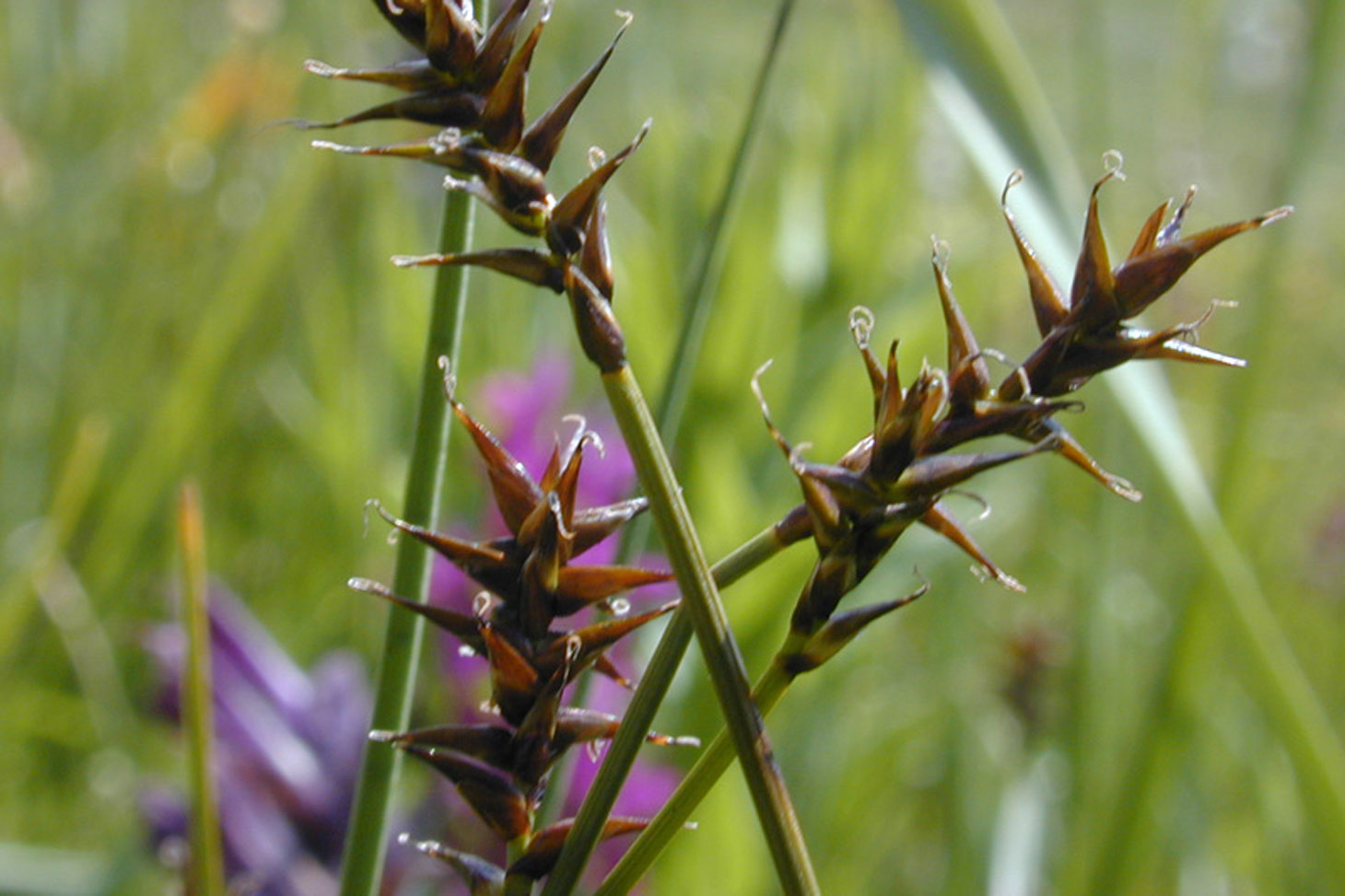
Observation of acidic fens with black sedges.
10 a.m.: alkaline fens along the GR50 trail towards Villar d'Arène
Well represented in the subalpine zone, these marshy areas with Davall's sedge are found near streams. They are home to various grass-like species and a few local rarities.
1:30 p.m.: session to determine the samples taken
5:00 p.m. to 6:00 p.m.: guided tour of the Lautaret garden
Day 4: Nard grasslands and megaphorbia
8:30 a.m.: Meet at the Lautaret Pass
Departure for the nardaies, or nard grasslands, at the foot of the Combeynot massif. We will see that this type of short grassland, an open environment artificially maintained by humans, evolves after the abandonment of agro-pastoral practices into heathland with cranberries and junipers.
10 a.m.–12:30 p.m.: The megaphorbiaie
This tall grass vegetation is found on the lower slopes of the Laurichard pyramid. It is a rich, humid environment where competition for light is intense.
2 p.m.: Summary of the training course
3:00 p.m.: End of the workshop
Internship supervised by Rolland Douzet, deputy director of the Lautaret Garden and associate professor of plant biology, botany, biodiversity, ecology, and evolution atUniversité Grenoble Alpes. Every summer, he hosts a public lecture on the remarkable plants and environments of Lautaret, to which participants in the university certificate program are invited as part of their training at Lautaret.
Published on April 27, 2023
Updated on March 2, 2026
Geographical location: IGN map 1:25,000 Valloire 3435 ET
Picking is strictly prohibited in the Écrins National Park.
Be in good physical condition. Do not register if you have heart problems or weak hips or knees.
Sunscreen, walking sticks, waterproof shoes that cover the ankles, and waterproof clothing are recommended (the course takes place at an altitude of between 2,000 and 2,700 meters).
Only the midday picnic is included in the course price. Accommodation and other meals are not included (Check with local service providers)
Share the linkCopyCopiedClose modal windowShare this page's URLI recommend this page:Available at this address:The page will then be accessible from your "My Favorites" menu.Stop the videoPlay the videoMutePlay soundChat: Any questions?Chatbot Robo FabricaMatomo traffic statisticsX (formerly Twitter)

 Discovery and science