Training sessionTraining, Scientific and technical culture
September 23, 2024 - September 27, 2024Villar-d'Arène - Lautaret Garden
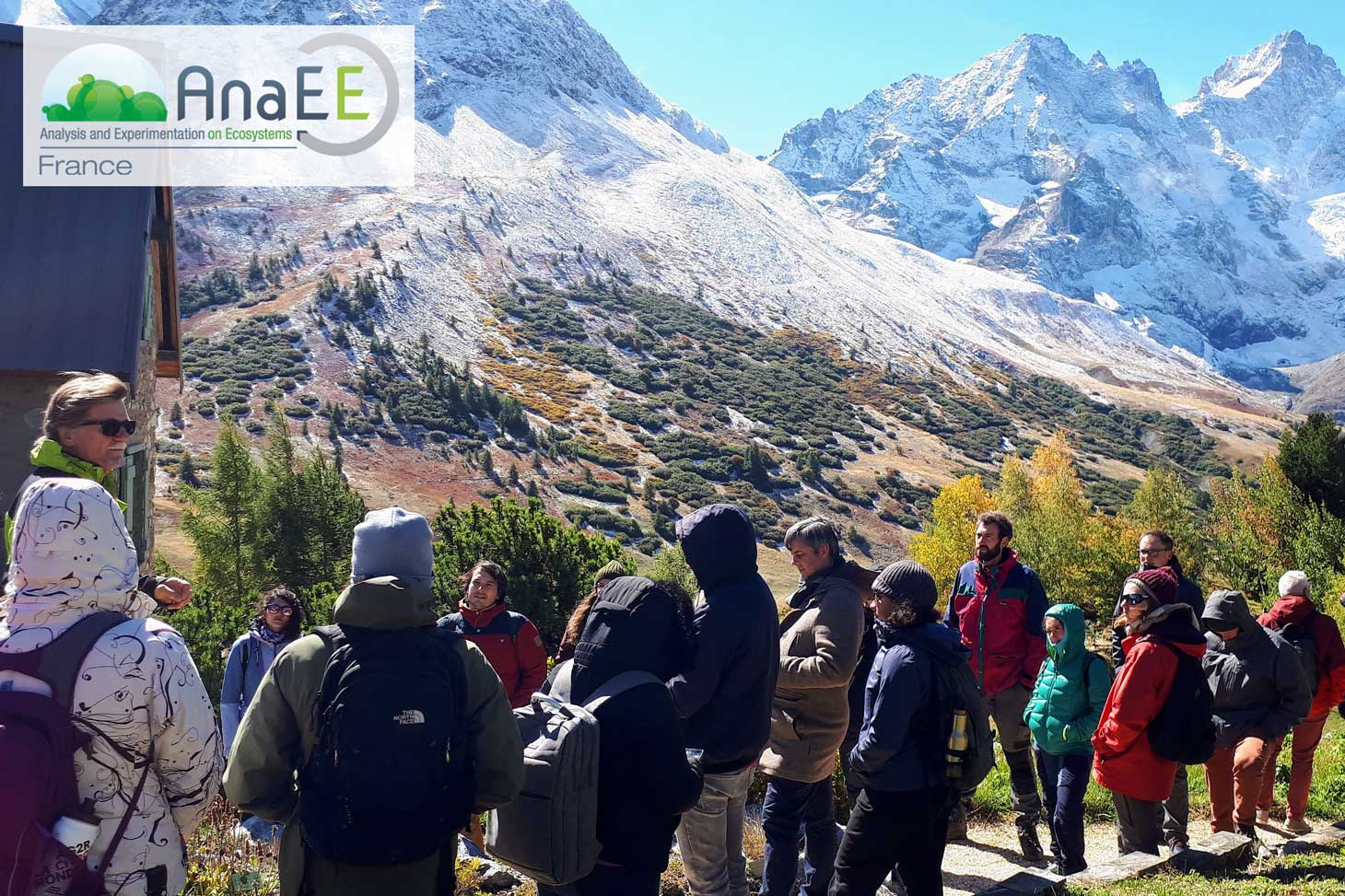
September 23–27, 2024. A doctoral training course for doctoral students, postdocs, and young scientists on the theme of "Microclimates: physical bases, modeling, and characterization in ecology." Registration open until June 30, 2024. Training and accommodation costs covered by AnaEE. 25 places available.
Microclimates: physical bases, modeling, and characterization in ecology
Microclimatology is a scientific discipline that studies the climatic conditions of a small geographical area, which can vary from a few millimeters to tens of meters, or which involves a change of scale in relation to the atmospheric conditions of the general climate of that area and requires consideration of its interaction with the physical and biological characteristics of the microhabitat. Microclimatology is based on a body of theoretical knowledge formalized in mechanistic models, empirical work aimed at describing, understanding, and manipulating microclimates, and methods for measuring and statistically analyzing microclimates adapted to different contexts. The study of microclimates is an important issue in light of the need for knowledge about the ecological effects of climate change and, more generally, in functional ecology. It can also serve as a foundation and inspiration for a wide variety of bioengineering solutions, including nature-based solutions to adapt and better withstand the adverse effects of global warming.
The AnaEE France network has a large number of experimental platforms, including The jardin du Lautaret, both outdoor and in controlled environments dedicated to manipulating climatic conditions such as temperature and humidity in the air, but also in the soil and canopy. These facilities deploy measurement tools. on site or remotely from weather conditions using more or less standardized approaches to microclimatology or biophysical ecology. One of the objectives of the work carried out in these experimental platforms is to aid in the understanding of ecological processes on a larger spatial scale and in the future.
The summer school will therefore address microclimate from the perspective of measurement techniques and modeling tools, as well as through case studies in animal and plant ecophysiology and the functional ecology of plant cover.
For the sake of simplicity and logistics, we will focus mainly on the temperature parameter associated with the microclimates of continental ecosystems, with some extensions to aquatic environments and water microclimates. However, all of these concepts and tools can be applied to any system and variable. The presentation of open source tools and applications to the environments and species studied at the Lautaret site will be prioritized to facilitate illustration by example.
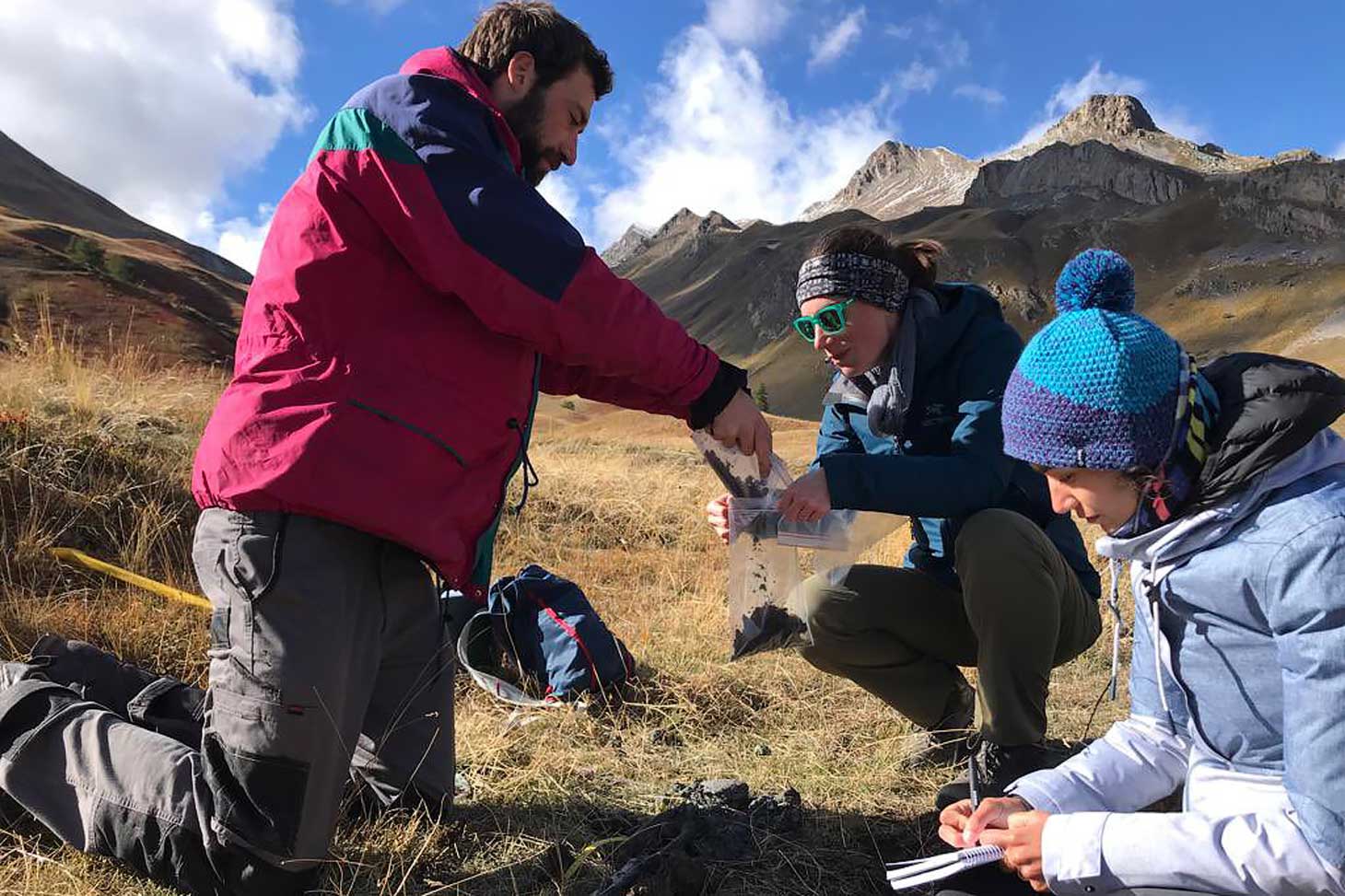
The training is organized into three lecture modules (physical fundamentals and mechanistic modeling of microclimates, microclimate metrology, topoclimate, and statistical modeling of microclimates) with classroom applications (in the form of computer-assisted work). The course modules will be spread over three days and accompanied by a number of seminars and case study presentations. A full day and several evening sessions will be dedicated to practical group work, allowing participants to choose a use case that is as close as possible to their personal interests. Each module will be introduced by a lecture discussing and presenting the key concepts with examples and applications. The end of the training will be devoted to a presentation of the practical work carried out in subgroups and a collective discussion of the results. Participants will have access to bibliographic resources, data sets, and freely licensed software or computer codes, but must bring their own laptops. We encourage them to bring their own data to ask the instructors for advice on how to analyze it, if necessary. A draft collective summary article will be discussed at the end of the training.
Published on May 17, 2023
Updated on September 3, 2024
Date
September 23, 2024 - September 27, 2024
Location
Villar-d'Arène - Jardin du Lautaret
Registration before May 28, 2024
If you do not already have one, you must create a HAL or SCIENCECONF account and then follow the steps displayed on the screen to apply.
Registration fees and local expenses (meals and accommodation) are covered.
Don't miss this unique opportunity to train in the field alongsiderenowned scientific speakers.
AnaEE = analysis and experimentation on ecosystems. This research infrastructure was created in 2012 and is supported by the CNRS, INRAE, andUniversité Grenoble Alpes.
Share the linkCopyCopiedClose modal windowShare this page's URLI recommend this page:Available at this address:The page will then be accessible from your "My Favorites" menu.Stop the videoPlay the videoMutePlay soundChat: Any questions?Chatbot Robo FabricaMatomo traffic statisticsX (formerly Twitter)

 Discovery and science