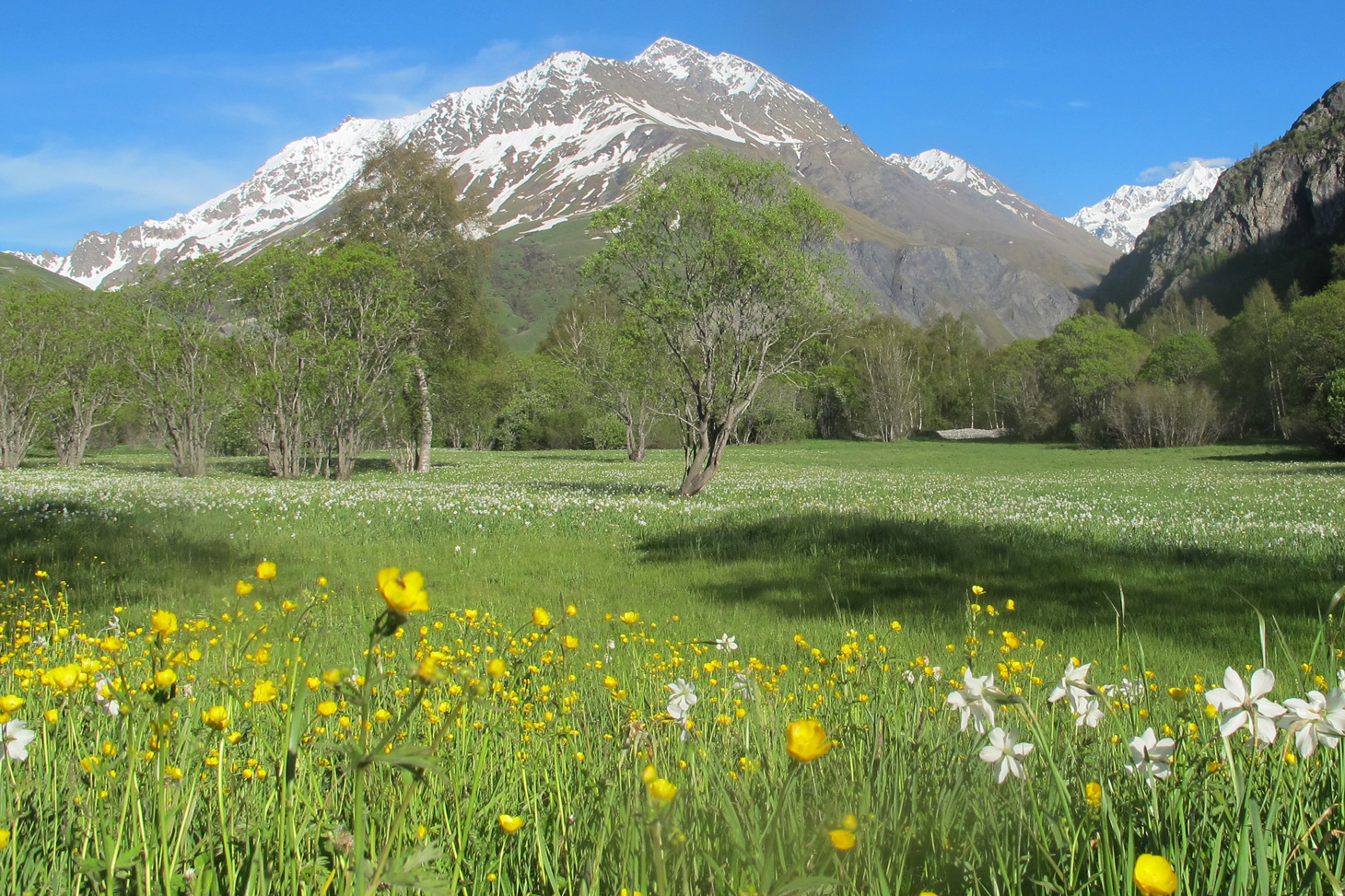
The research conducted at Lautaret with the support of the Jardin can be classified into three main areas: biology of adaptations and evolutionary ecology, climate and ecosystem functioning, and mountain territory dynamics.
Since its creation in 1899 by the University of Grenoble, The jardin du Lautaret a dual purpose: welcoming the public and conducting scientific research. The scientific study of natural mountain environments is more relevant than ever in a context of increasing global change. The way in which systems respond to change is the guiding principle behind the research projects.
Biology of adaptations and evolutionary ecology
Study of how mountain organisms adapt to the specific conditions of high mountains.
Analysis of strategies enabling organisms to avoid, tolerate, or resist constraints such as low temperatures, high UV radiation, and short growing seasons due to snow cover.
Research with a strong experimental dimension. Using devices that allow the organisms under study to be placed in controlled or semi-controlled conditions.
This research is also approached from an evolutionary biology perspective and seeks to better understand the origin of these adaptations over time, i.e., in relation to the uplift of the Alps and climatic oscillations during the Quaternary period (effects of glaciation).
Climate and ecosystem functioning
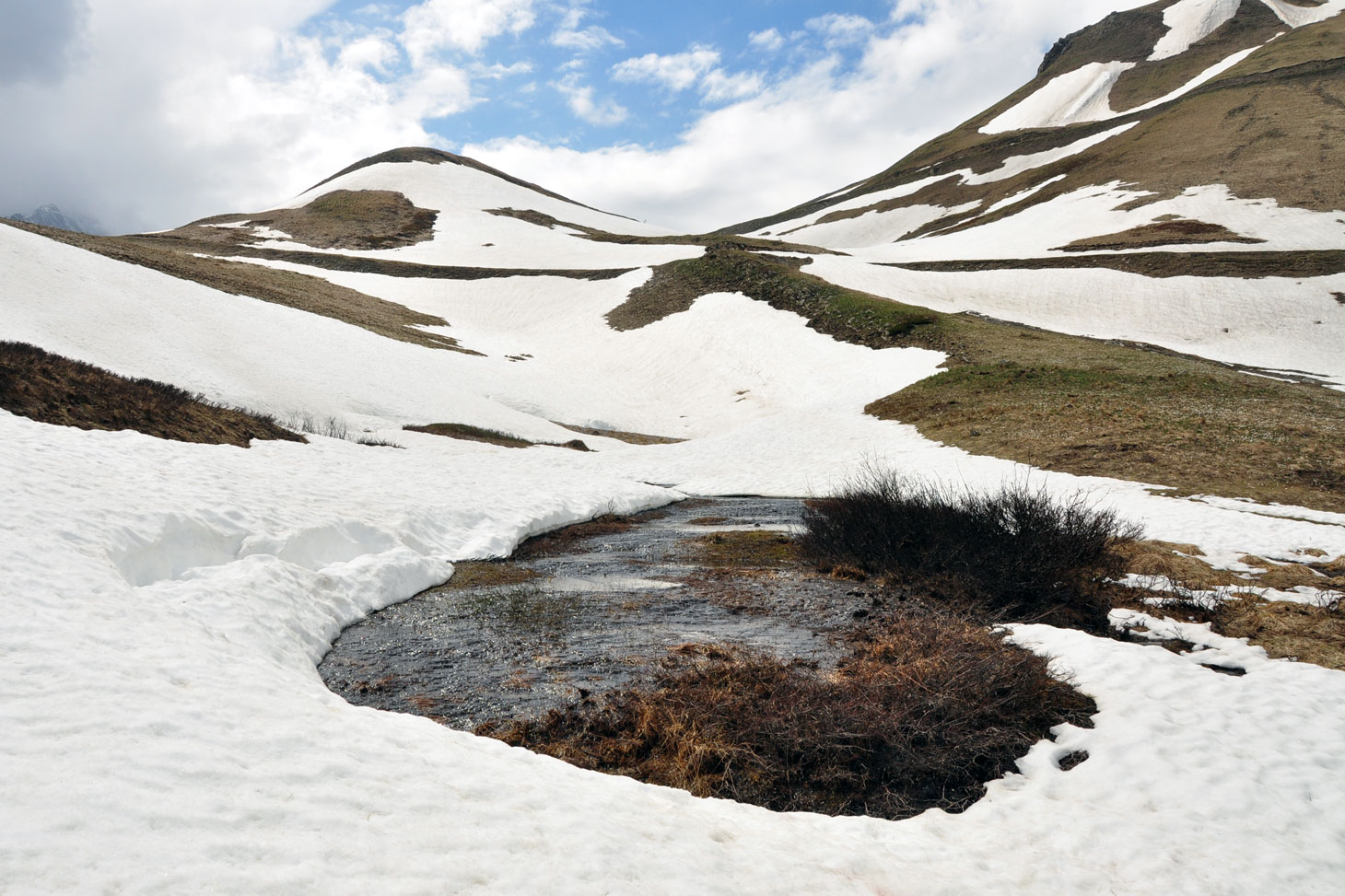
Study of the physical environment and interactions between soil, snow, vegetation, and atmosphere.
One of the main original features of the work carried out at Lautaret is the interdisciplinary study of snow cover involving climate specialists, environmental chemists, and ecologists.
Thus, the seasonal dynamics of snow cover, the physical and chemical characteristics of the snowpack are not only seen as markers of ongoing climate change, but are also studied as factors controlling the distribution of organisms, ecosystem functions (e.g., primary productivity, mineralization of organic matter), and the flows of heat and matter exchanged between the soil and the atmosphere.
Dynamics of mountain regions
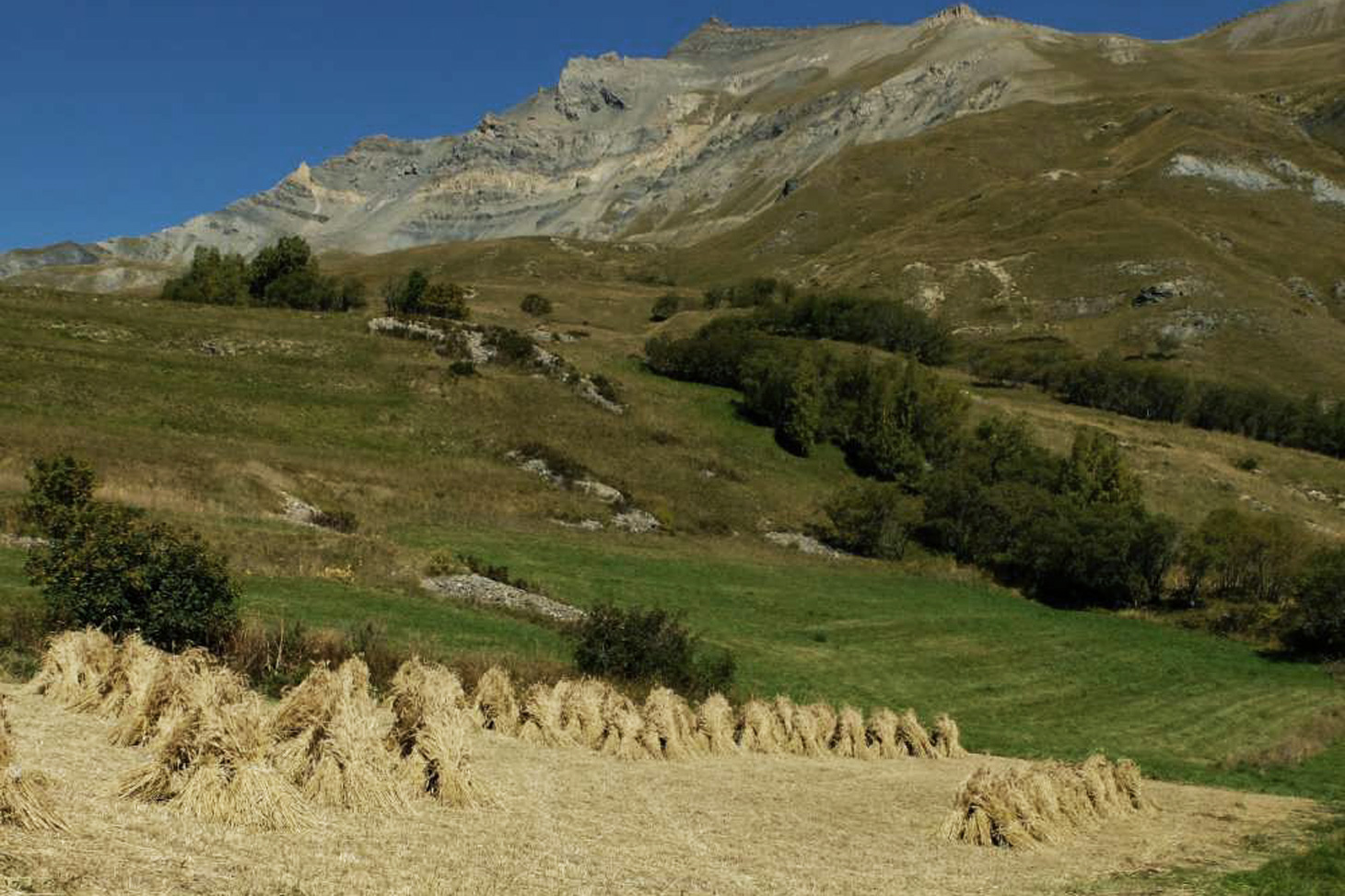
Study of mountain ecosystems with a focus on alpine pastures.
The research aims to understand the combined effect of land use patterns (mowing, grazing, abandonment) and climate variability (warming trend, extreme events) on the biodiversity, functioning, and dynamics of these mountain pastures.
Attention is paid to the links between the biodiversity of mountain pastures and the services they provide to human societies, whether these are provisioning services (e.g., the quantity of fodder produced), regulating services (e.g., the capacity of mountain pastures to limit soil erosion), or cultural services (e.g., the perception of the heritage value of a landscape).
Submit a scientific project on one or more of these topics
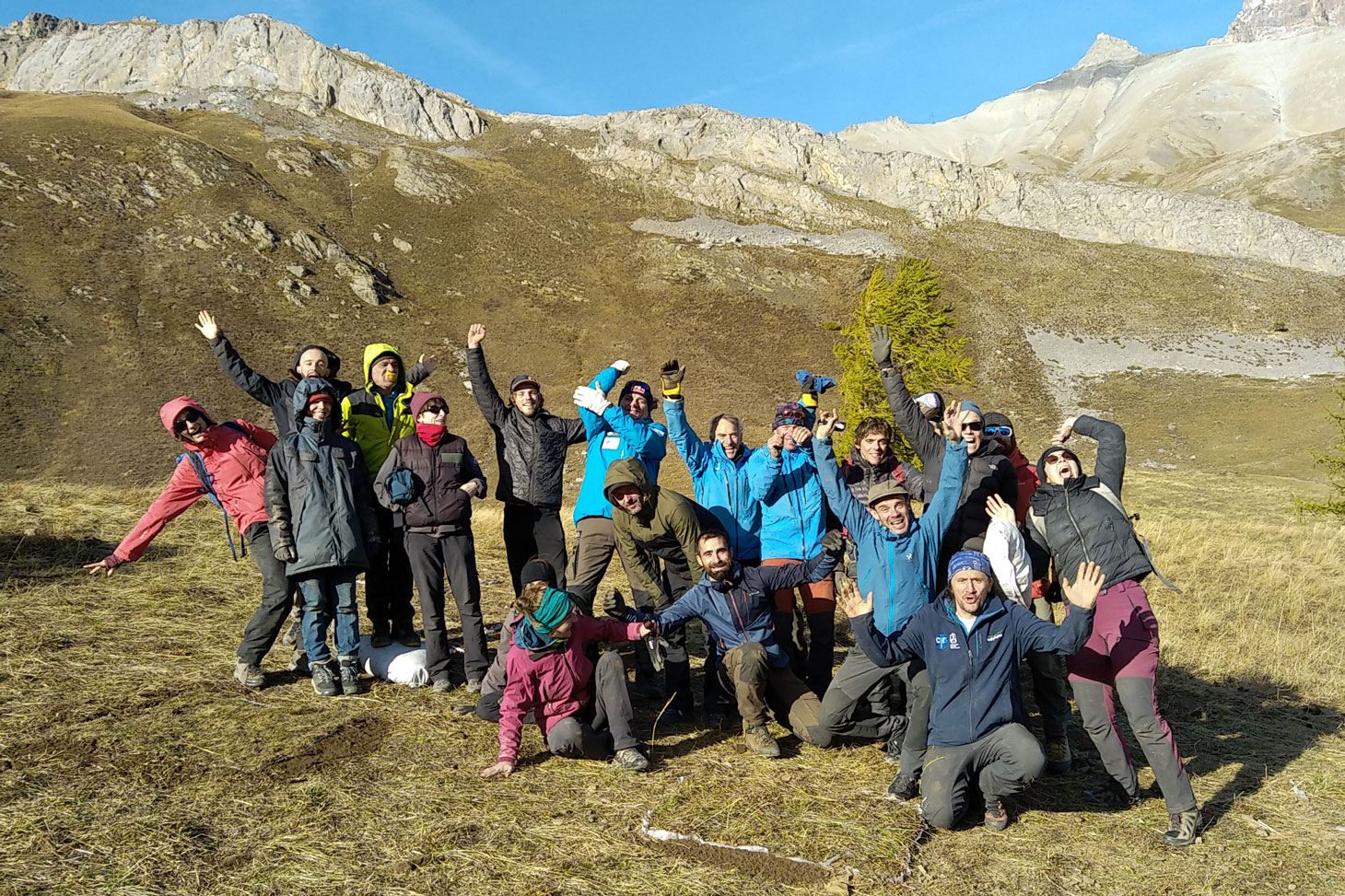
The jardin du Lautaret scientific teams all year round, with accommodation and catering available on site at the Lautaret pass. An altitude laboratory and experimental areas are available. in kind, scientific equipment and facilities, storage areas, equipped greenhouses, measuring stations, botanical expertise, technical field support, etc.
Share the linkCopyCopiedClose modal windowShare this page's URLI recommend this page:Available at this address:The page will then be accessible from your "My Favorites" menu.Stop the videoPlay the videoMutePlay soundChat: Any questions?Chatbot Robo FabricaMatomo traffic statisticsX (formerly Twitter)

 Discovery and science